Our Works
Resilient Ezhikkara
Community action for tidal flood mitigation
Our Works
Resilient Ezhikkara is a community-led initiative in coastal Ernakulam that integrates planning, ecosystem restoration, and innovation to strengthen local resilience against recurrent high-tide flooding.
Project Overview
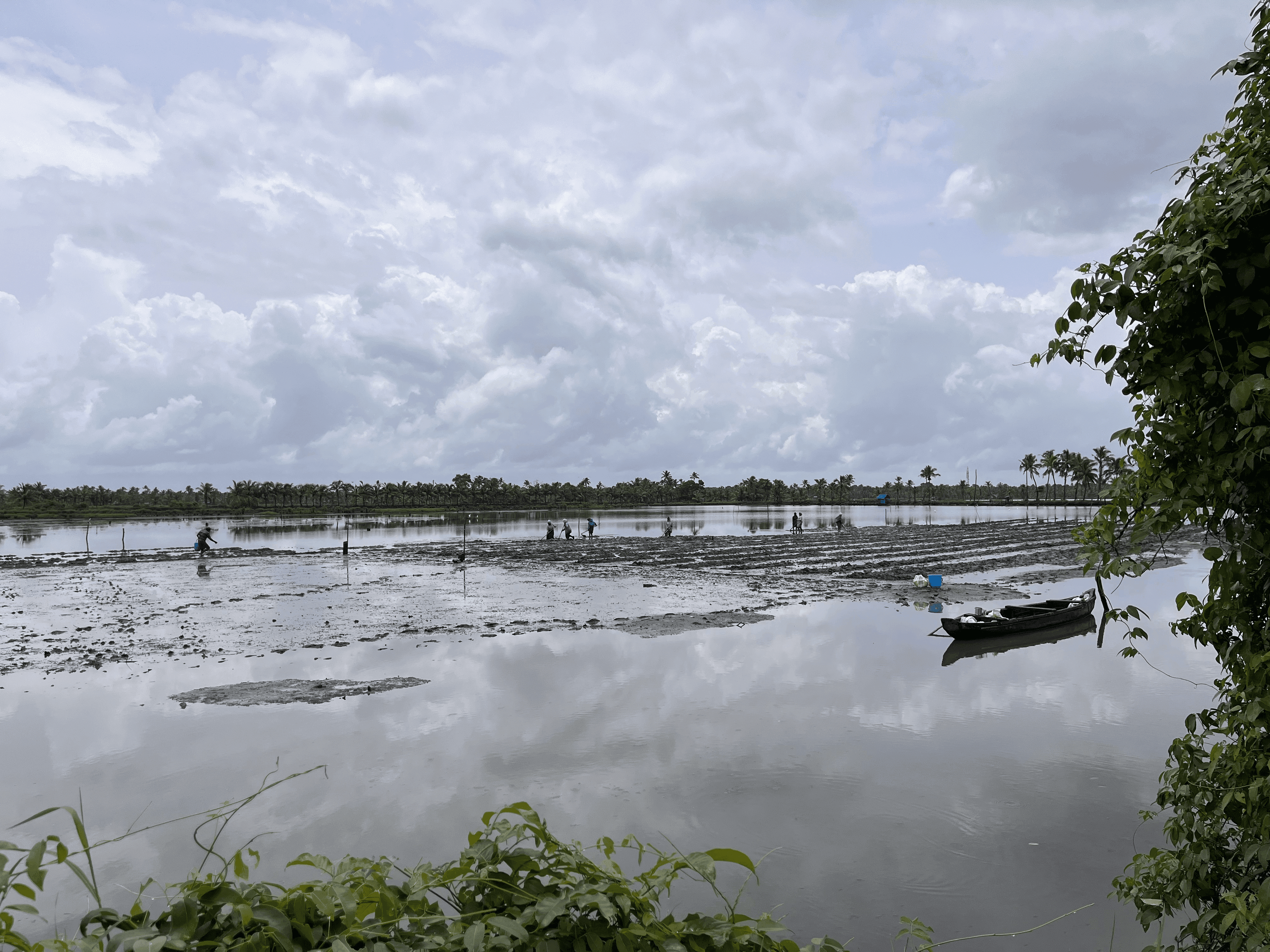
Resilient Ezhikkara is a community-led pilot designed to build locally grounded resilience against high-tide flooding in the Ezhikkara panchayat, located on the Vembanad backwaters in coastal Ernakulam. Launched in March 2024 in partnership with Ezhikkara Grama Panchayat, the initiative combines community planning, ecosystem restoration, scientific mapping, and innovative construction solutions to reduce flood impacts on agriculture, households, livelihoods, and public infrastructure.
Project Overview
Resilient Ezhikkara is a community-led pilot designed to build locally grounded resilience against high-tide flooding in the Ezhikkara panchayat, located on the Vembanad backwaters in coastal Ernakulam. Launched in March 2024 in partnership with Ezhikkara Grama Panchayat, the initiative combines community planning, ecosystem restoration, scientific mapping, and innovative construction solutions to reduce flood impacts on agriculture, households, livelihoods, and public infrastructure.
Co-creating resilience with communities
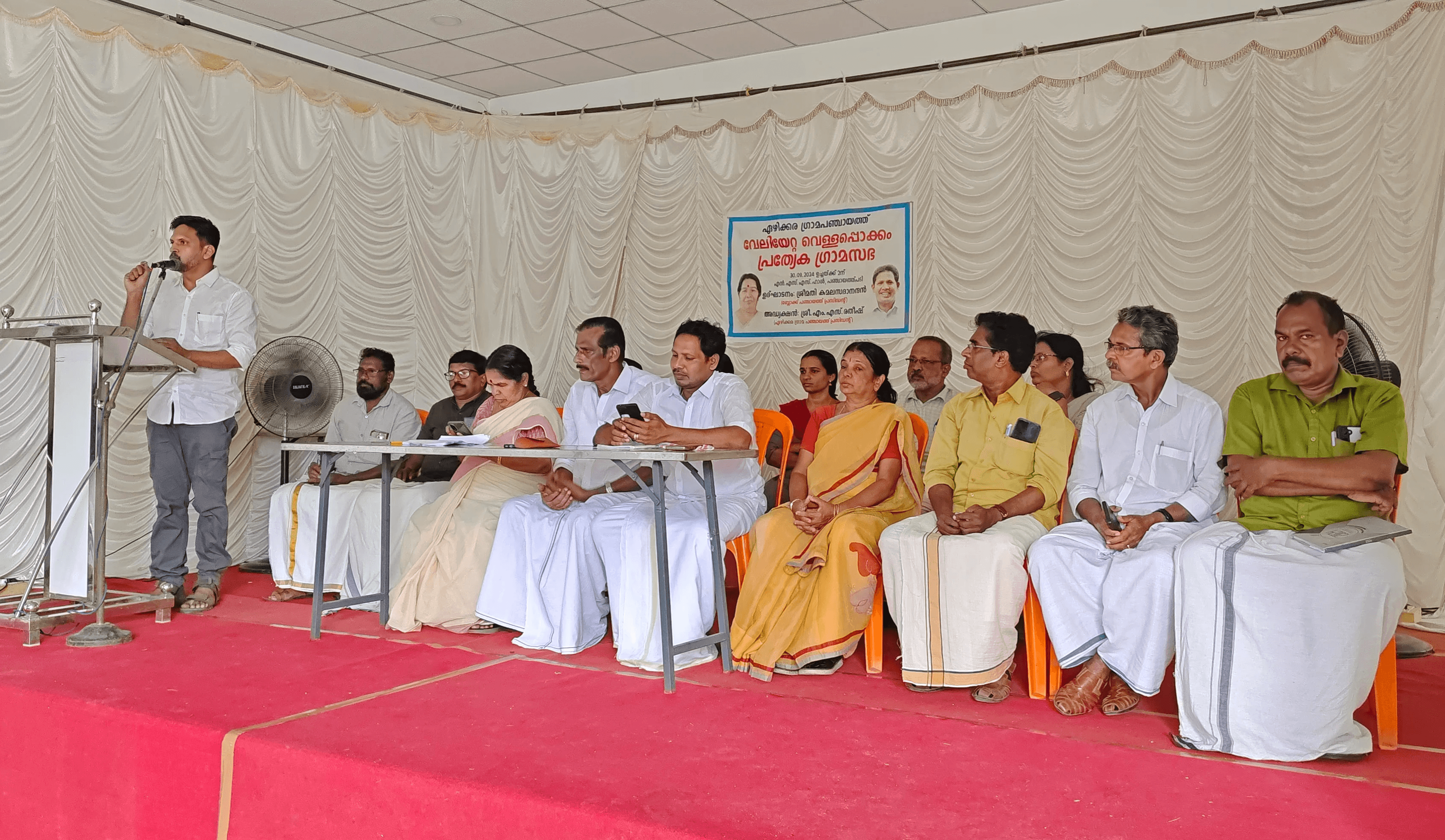
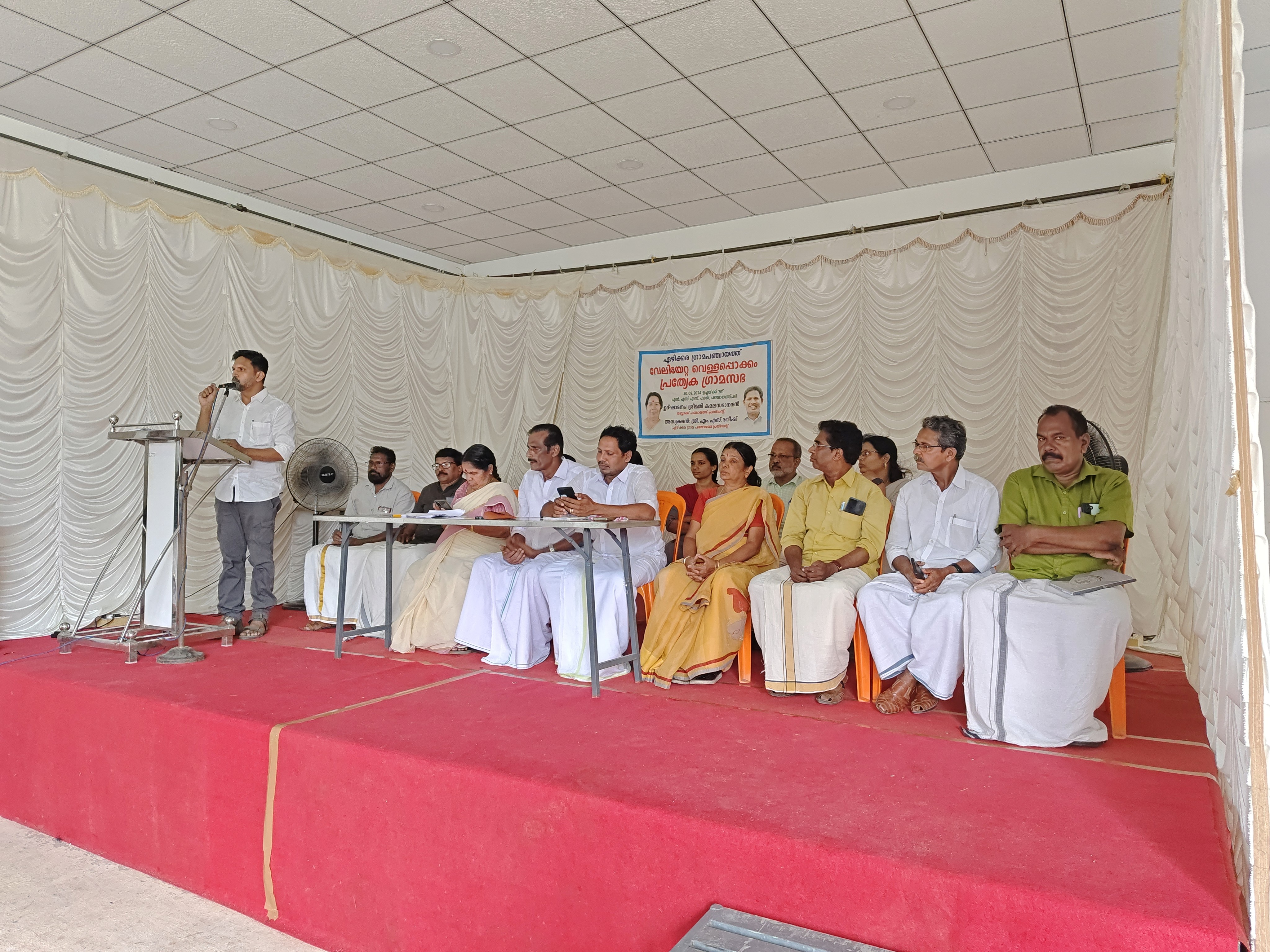
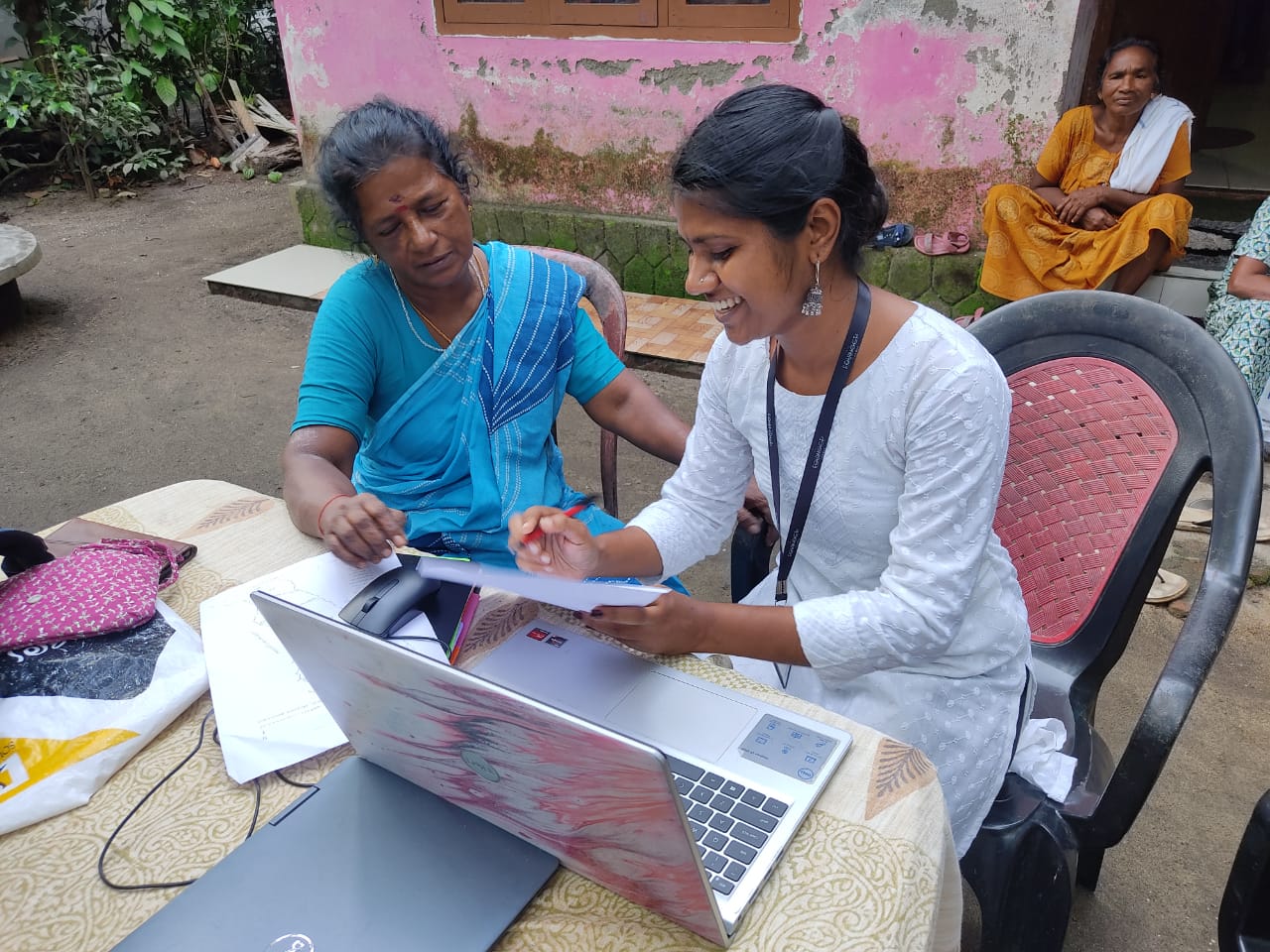
Ezhikkara is among the frontline panchayats of the Vembanad estuary, where saline inundation from frequent tidal flooding threatens lives and livelihoods. The Resilient Ezhikkara initiative adopts a co-creation approach, placing community knowledge and participation at the center of resilience planning. Together with local stakeholders, the project develops micro-actions and a Detailed Project Report (DPR) for flood resilience rooted in nature-based solutions.
Co-creating resilience with communities
Ezhikkara is among the frontline panchayats of the Vembanad estuary, where saline inundation from frequent tidal flooding threatens lives and livelihoods. The Resilient Ezhikkara initiative adopts a co-creation approach, placing community knowledge and participation at the center of resilience planning. Together with local stakeholders, the project develops micro-actions and a Detailed Project Report (DPR) for flood resilience rooted in nature-based solutions.
Key activities
Community mapping and monitoring to document flood-prone zones and household impacts.
Community mapping and monitoring to document flood-prone zones and household impacts.
Community mapping and monitoring to document flood-prone zones and household impacts.
Community mapping and monitoring to document flood-prone zones and household impacts.
Community mapping and monitoring to document flood-prone zones and household impacts.
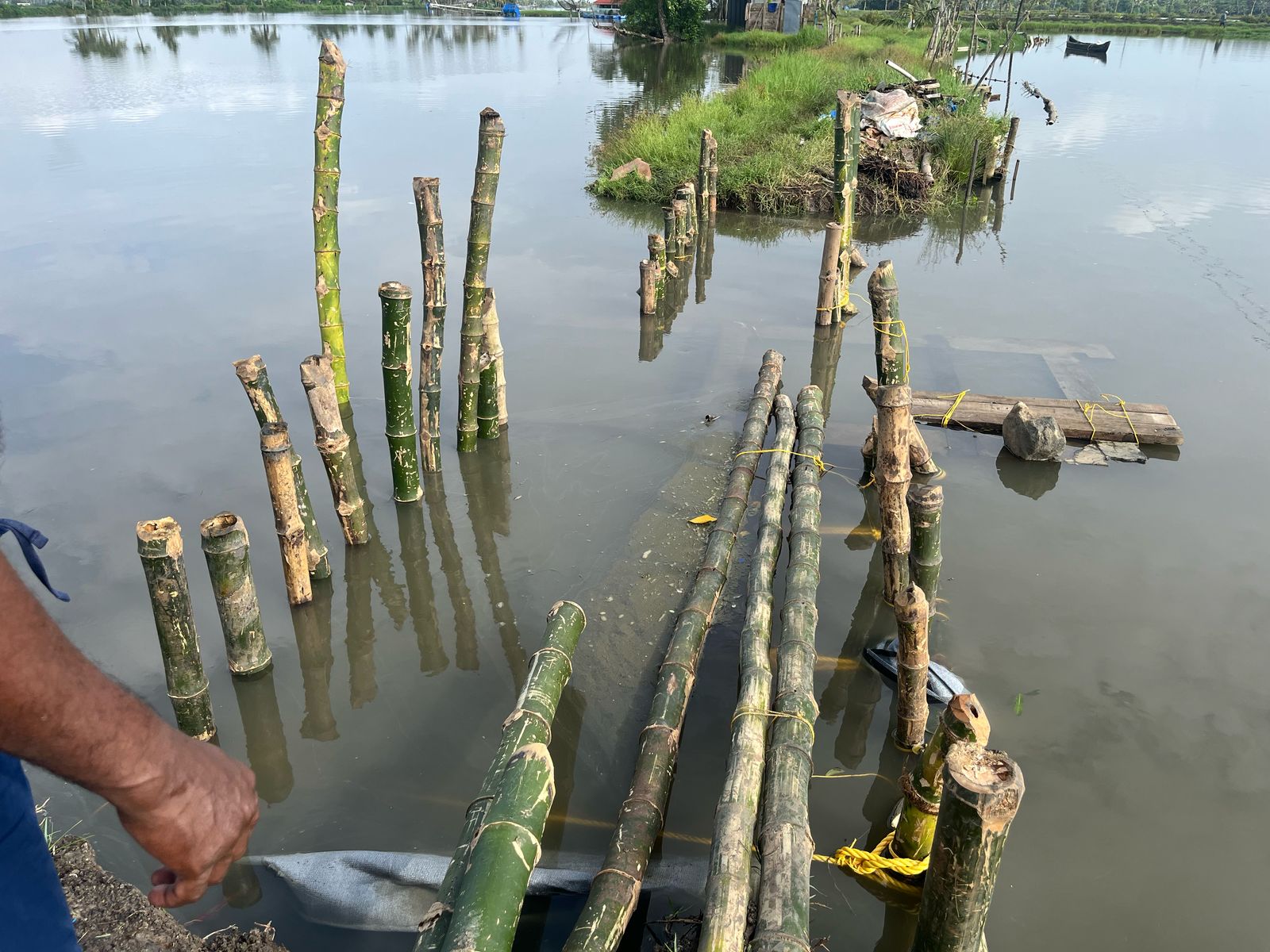
Restoration of salt-tolerant agriculture through revival of Pokkali farming and related water management infrastructure.
Restoration of salt-tolerant agriculture through revival of Pokkali farming and related water management infrastructure.
Restoration of salt-tolerant agriculture through revival of Pokkali farming and related water management infrastructure.
Restoration of salt-tolerant agriculture through revival of Pokkali farming and related water management infrastructure.
Restoration of salt-tolerant agriculture through revival of Pokkali farming and related water management infrastructure.
Piloting climate-resilient building materials, including Textile Reinforced Concrete (TRC) in collaboration with CSIR-SERC, to test sustainable construction options in flood-prone areas.
Piloting climate-resilient building materials, including Textile Reinforced Concrete (TRC) in collaboration with CSIR-SERC, to test sustainable construction options in flood-prone areas.
Piloting climate-resilient building materials, including Textile Reinforced Concrete (TRC) in collaboration with CSIR-SERC, to test sustainable construction options in flood-prone areas.
Piloting climate-resilient building materials, including Textile Reinforced Concrete (TRC) in collaboration with CSIR-SERC, to test sustainable construction options in flood-prone areas.
Piloting climate-resilient building materials, including Textile Reinforced Concrete (TRC) in collaboration with CSIR-SERC, to test sustainable construction options in flood-prone areas.
Integration of community-sourced data into the SeaSight dashboard for planning, early warning, and decision support.
Integration of community-sourced data into the SeaSight dashboard for planning, early warning, and decision support.
Integration of community-sourced data into the SeaSight dashboard for planning, early warning, and decision support.
Integration of community-sourced data into the SeaSight dashboard for planning, early warning, and decision support.
Integration of community-sourced data into the SeaSight dashboard for planning, early warning, and decision support.
Drone-based surveys and participatory Gramasabhas to validate interventions and strengthen local ownership of resilience strategies.
Drone-based surveys and participatory Gramasabhas to validate interventions and strengthen local ownership of resilience strategies.
Drone-based surveys and participatory Gramasabhas to validate interventions and strengthen local ownership of resilience strategies.
Drone-based surveys and participatory Gramasabhas to validate interventions and strengthen local ownership of resilience strategies.
Drone-based surveys and participatory Gramasabhas to validate interventions and strengthen local ownership of resilience strategies.
This pilot aims to serve as a model for scaling community-driven, ecosystem-based adaptation in Kerala’s vulnerable coastal panchayats.
Collaborators