Our Works
SeaSight
Mapping and Visualisation
Our Works
SeaSight Network is a participatory initiative in coastal Ernakulam that generates hyper-local tidal flood data through community-installed gauges and collaborative mapping to support early warning and resilience efforts.
Overview
There is currently no systematic data on the houses, lands, and roads affected by tidal flooding in any region. To address this critical gap, we initiated SeaSight, an effort to co-create a community-based tidal flood dashboard for coastal Ernakulam. This was achieved through an extensive, one-time data-gathering exercise using a dense network of local participants who recorded tidal flood events at the household and neighbourhood levels.
Overview
There is currently no systematic data on the houses, lands, and roads affected by tidal flooding in any region. To address this critical gap, we initiated SeaSight, an effort to co-create a community-based tidal flood dashboard for coastal Ernakulam. This was achieved through an extensive, one-time data-gathering exercise using a dense network of local participants who recorded tidal flood events at the household and neighbourhood levels.
Details
The SeaSight Network comprises two participatory initiatives designed to generate hyper-local data on climate-aggravated high-tide flooding in coastal Ernakulam. It was conceptualised and implemented with the support of CRC Puthenvelikkara.
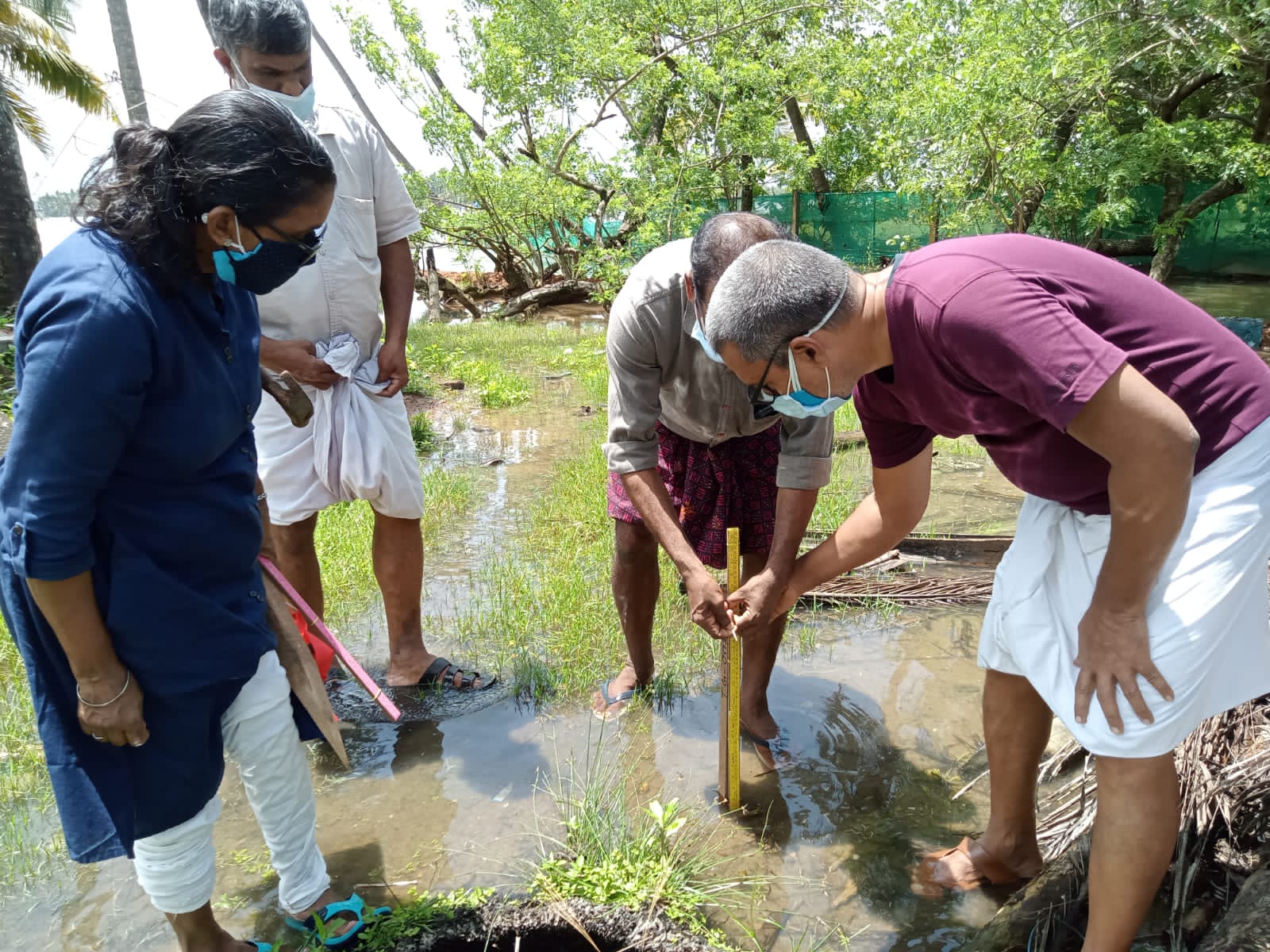
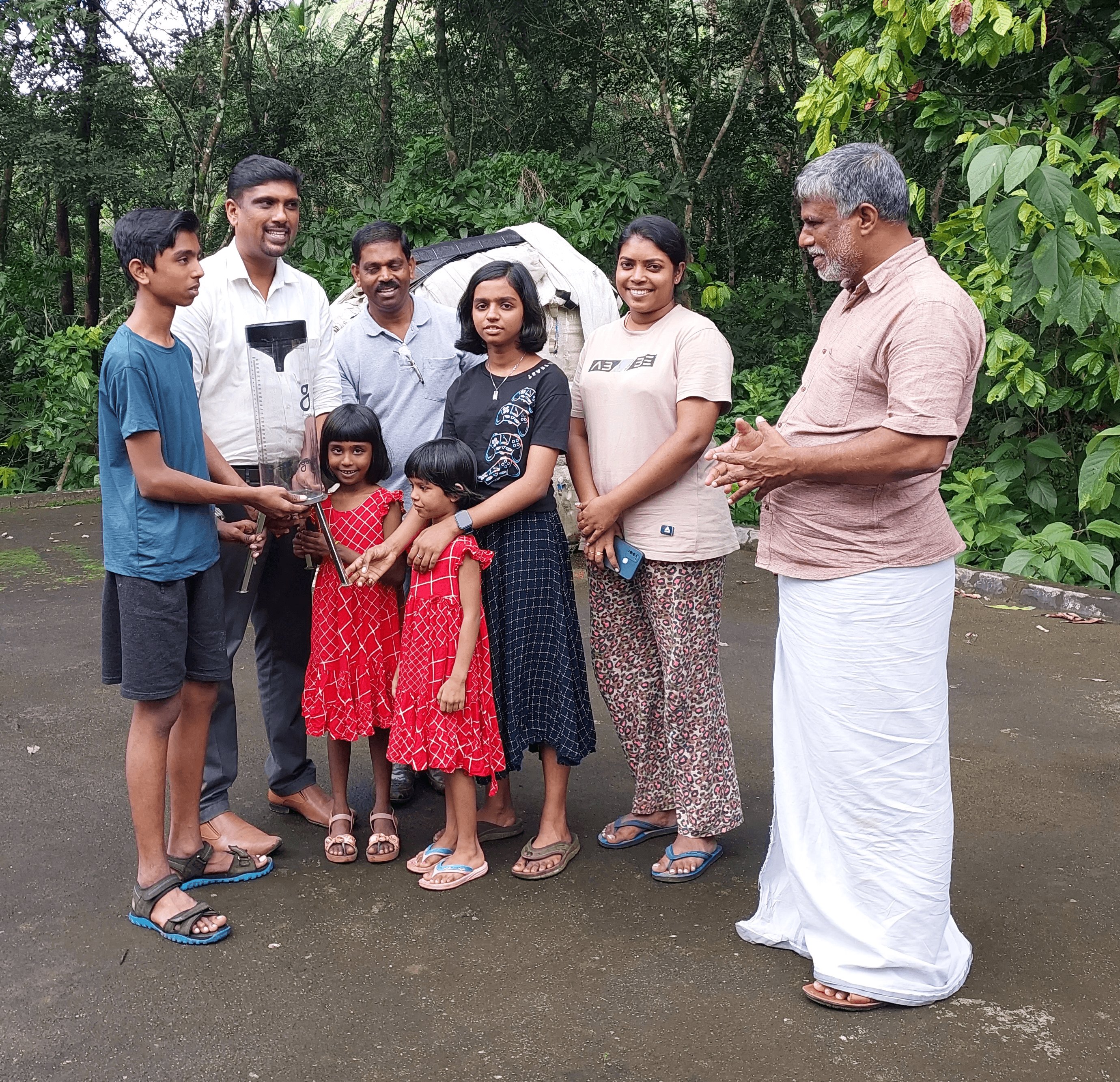
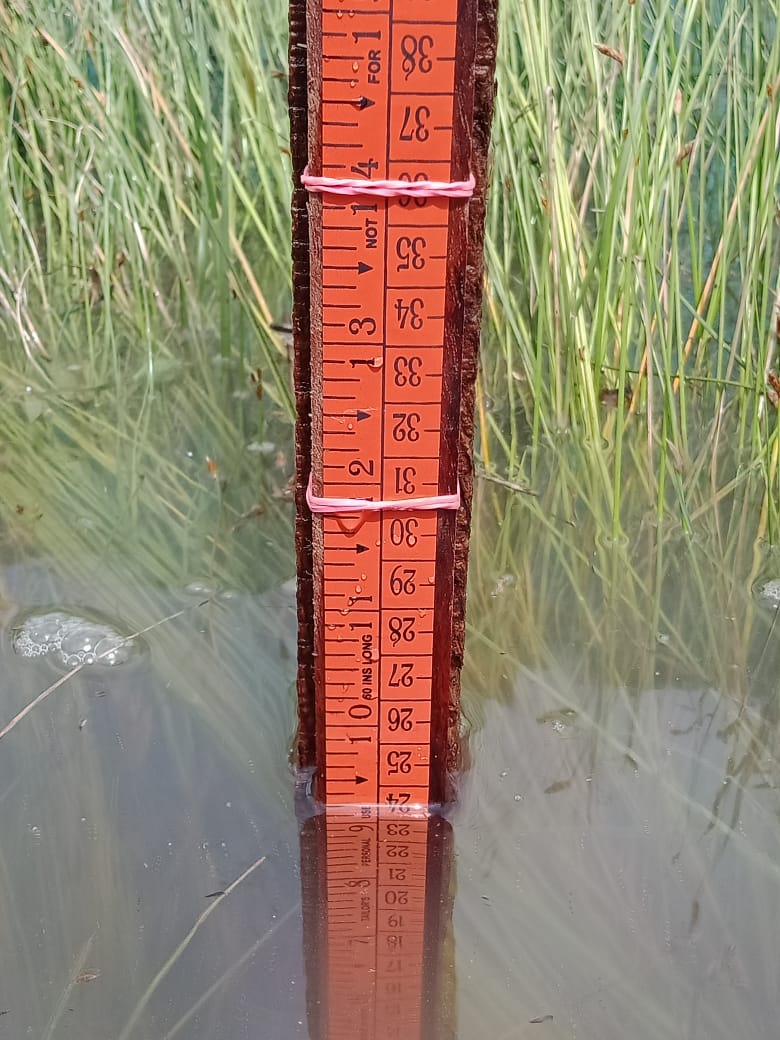
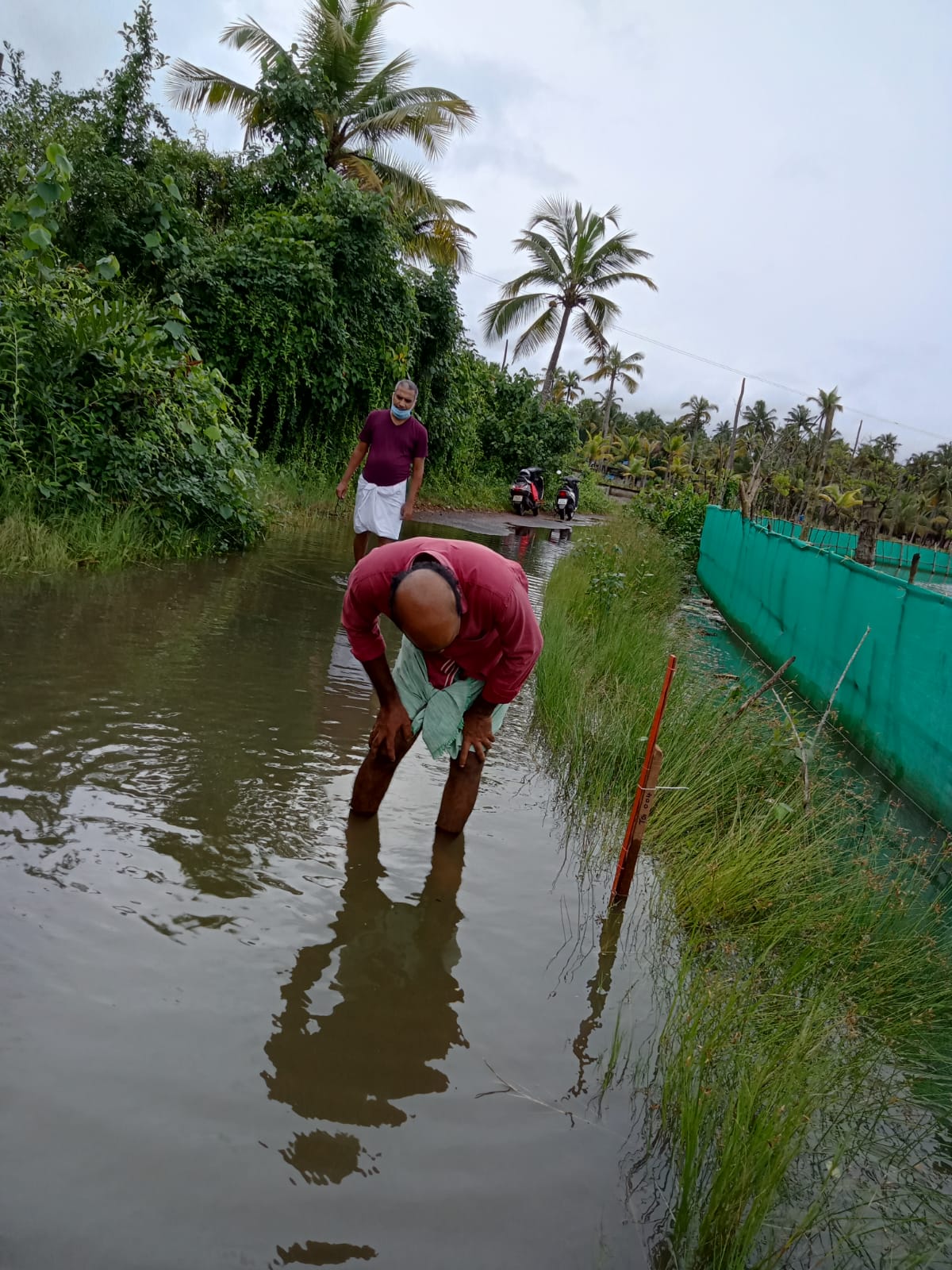
The first is the Manual Tidal Gauge Network, launched in 2021–22 in Vellottupuram, Puthenvelikkara. Seventeen households installed improvised tidal gauges made from tailor’s tape fixed to wooden posts to record tidal rise, duration, and height during the flooding season. This data was compared with readings from the Wellington Island tidal gauge to develop an early warning forecast specific to the Vellottupuram region.
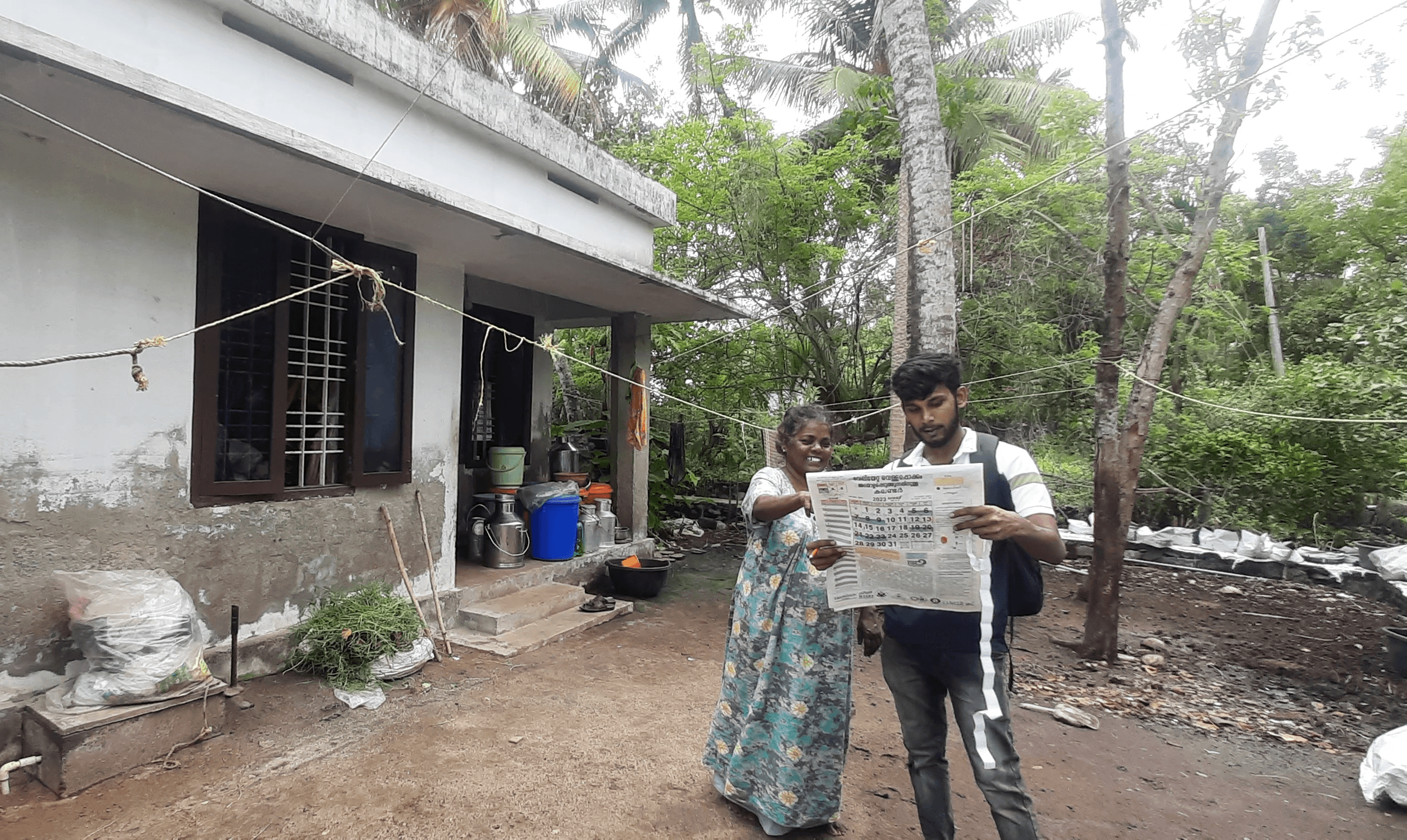
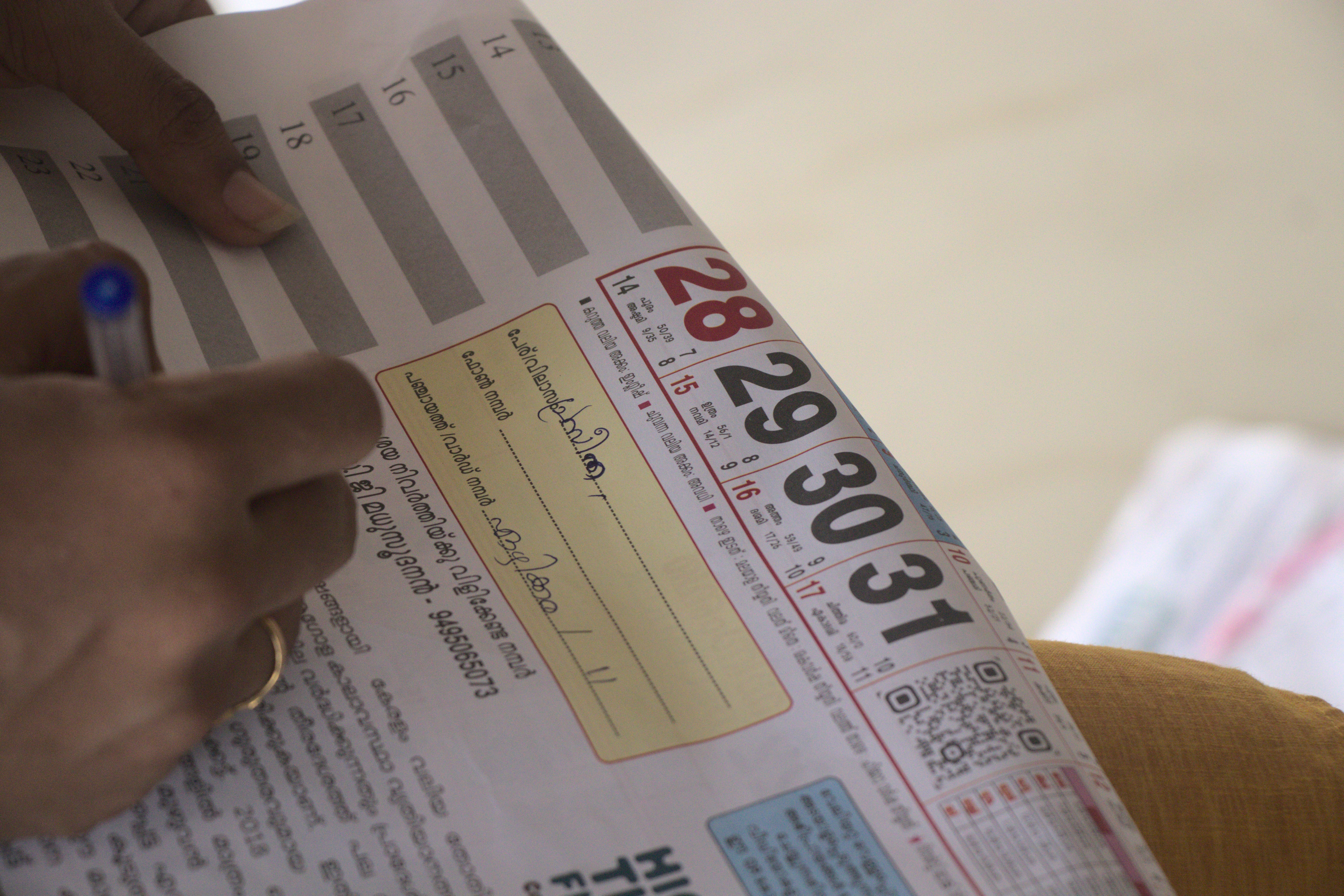
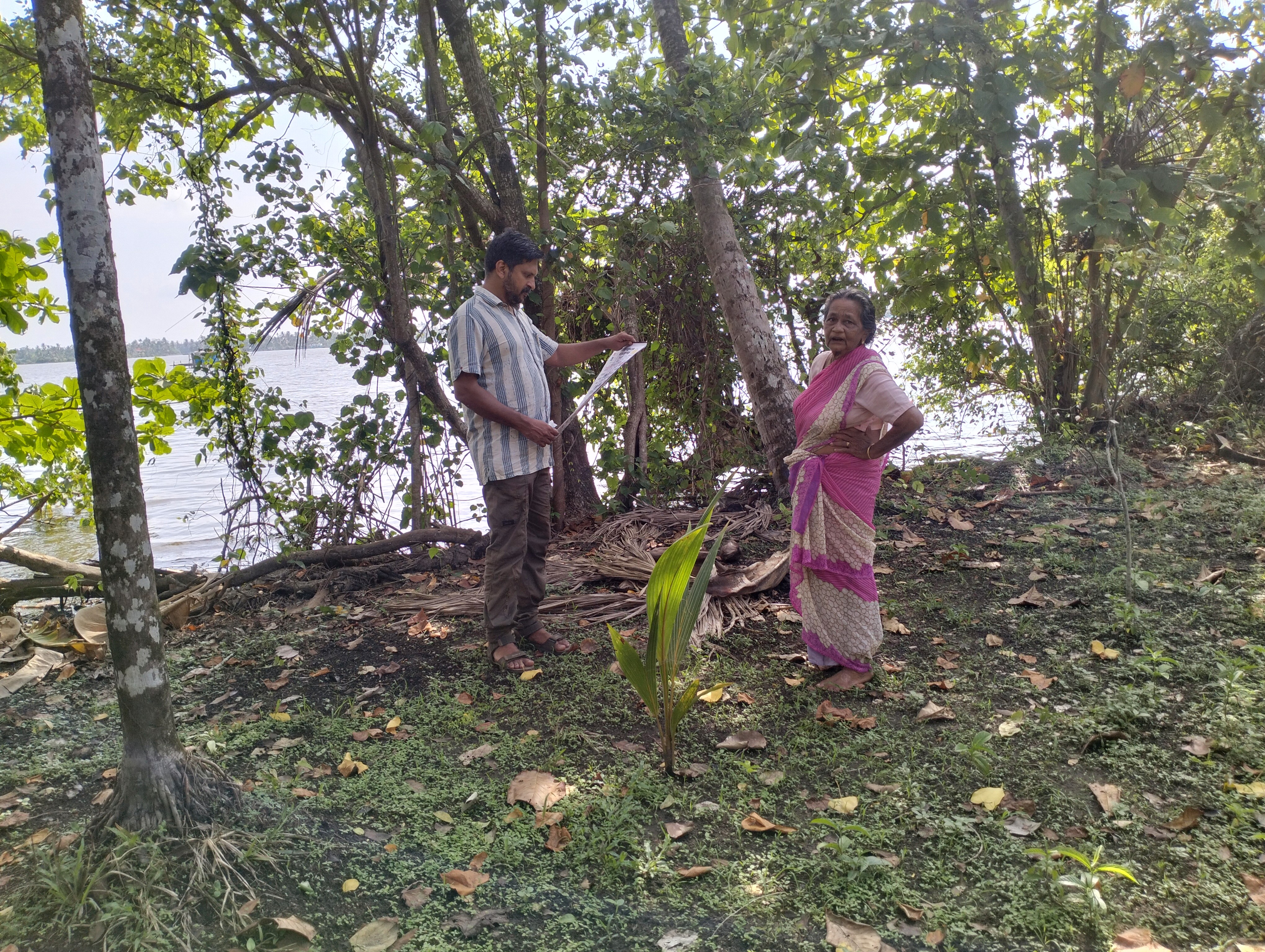
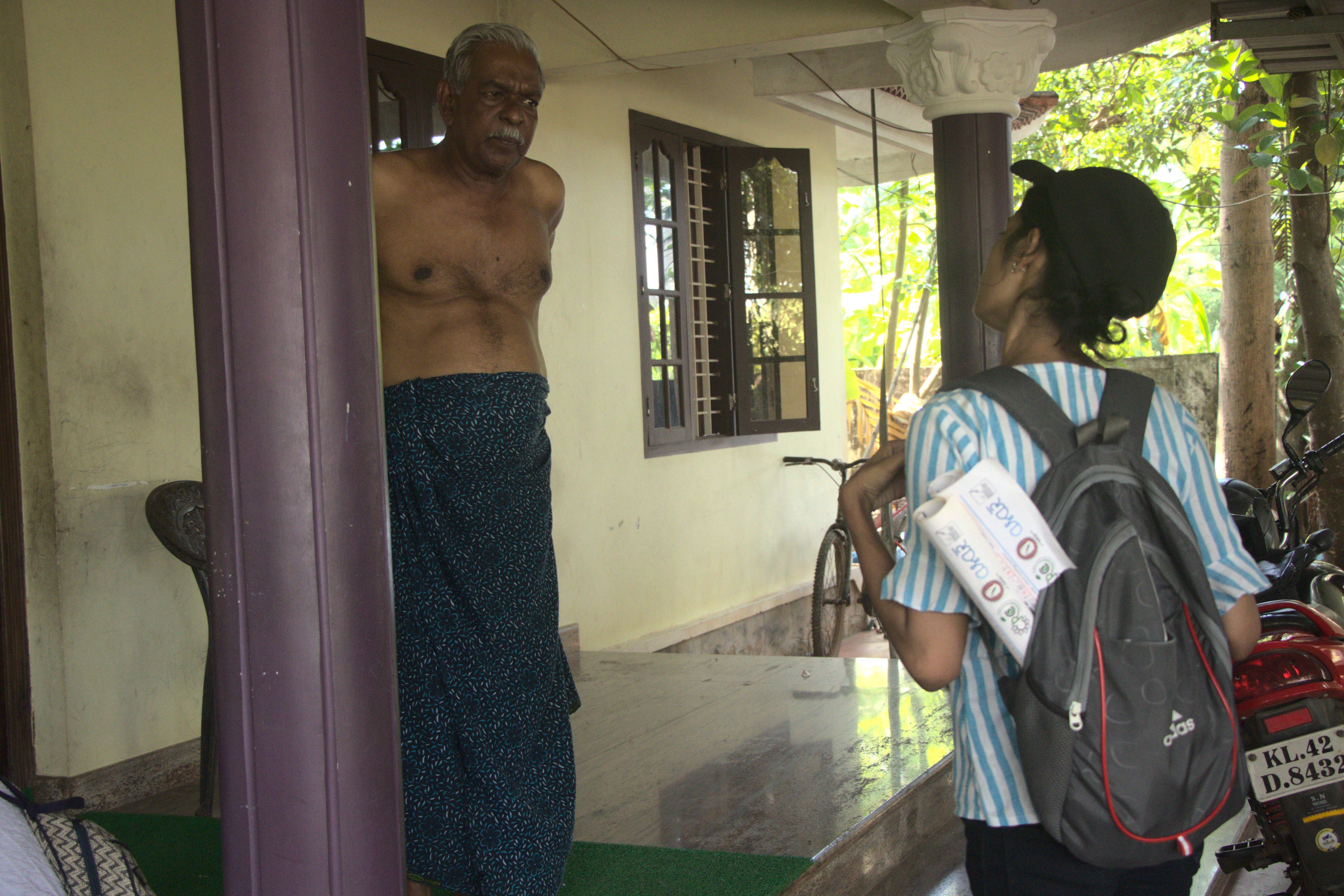
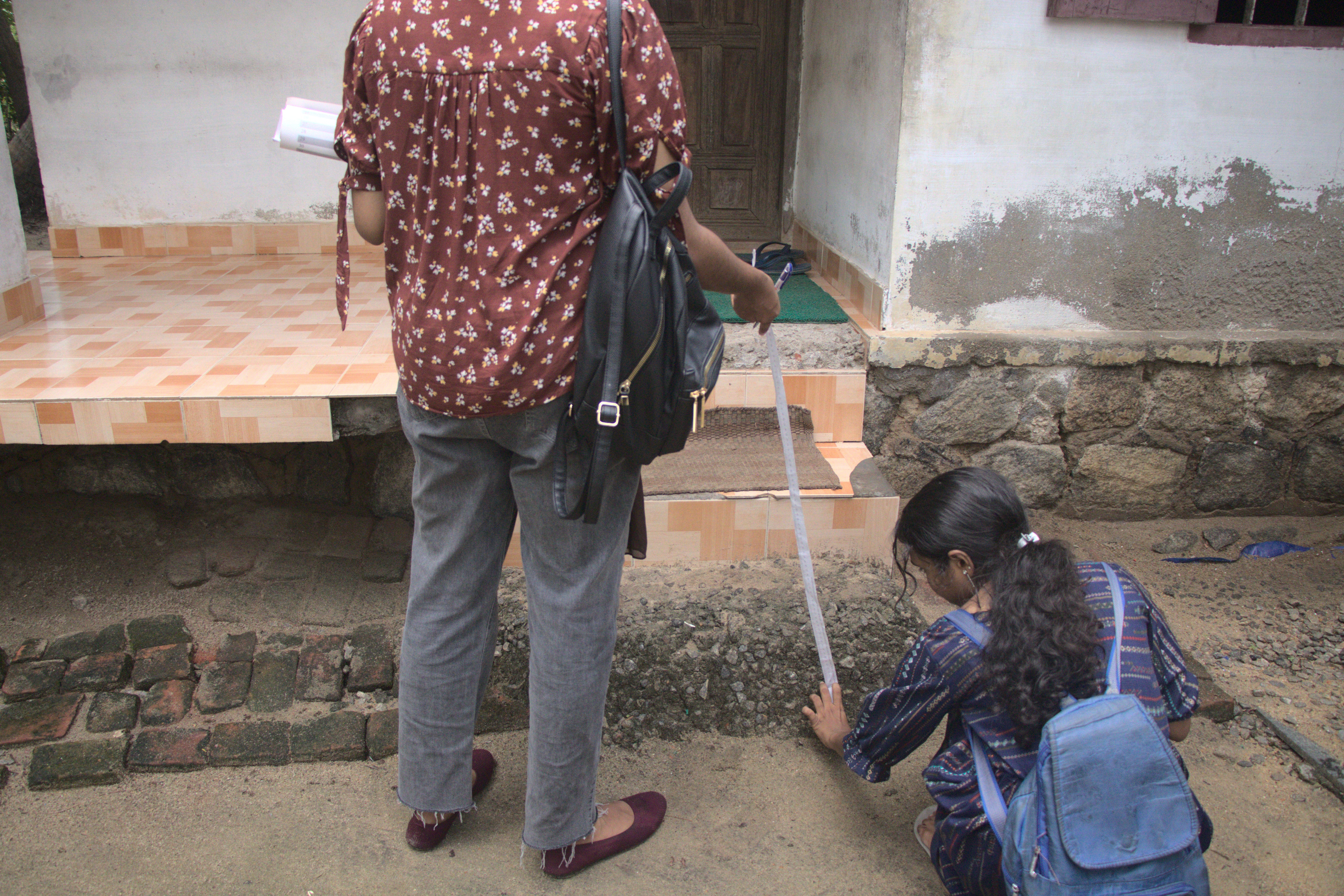
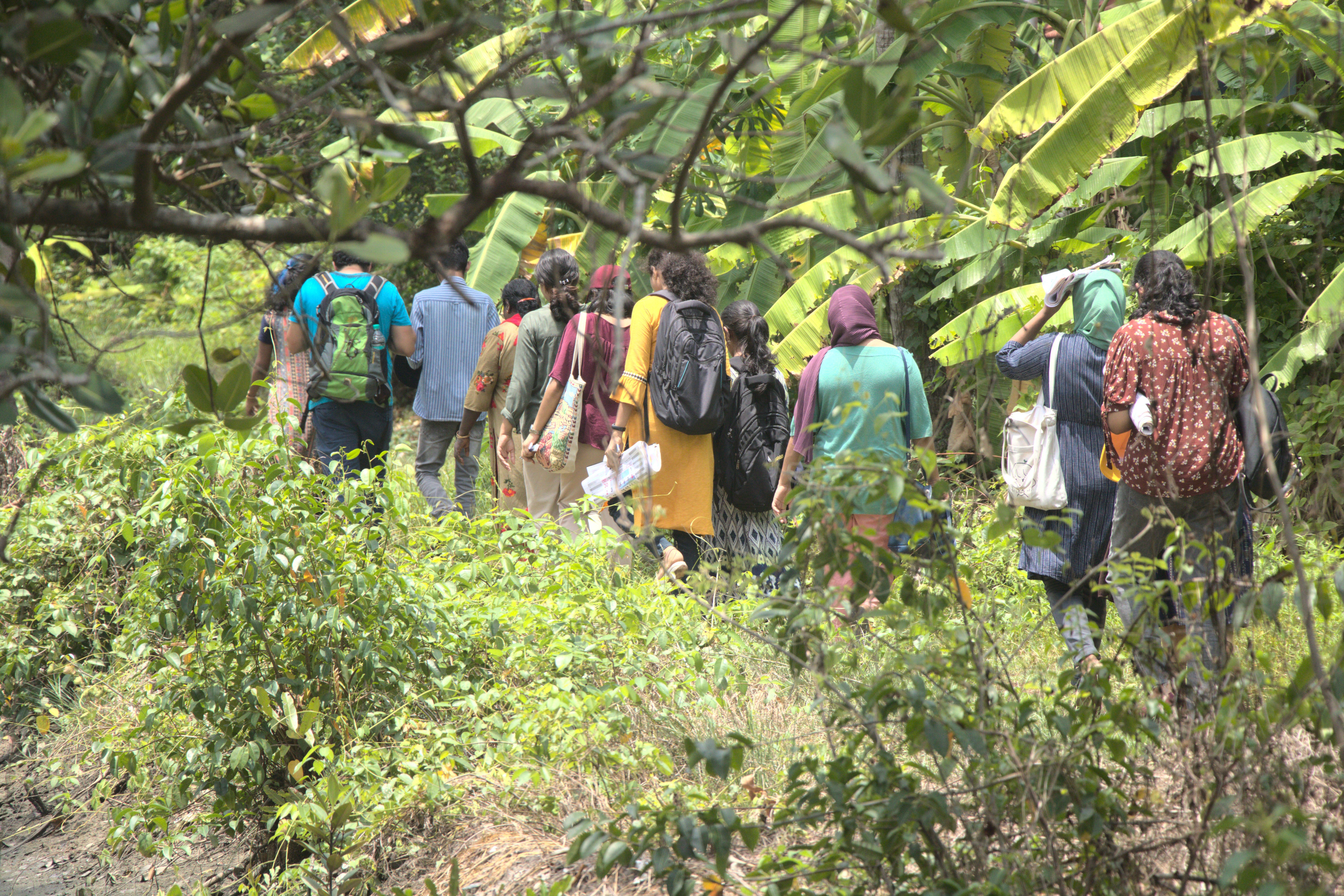
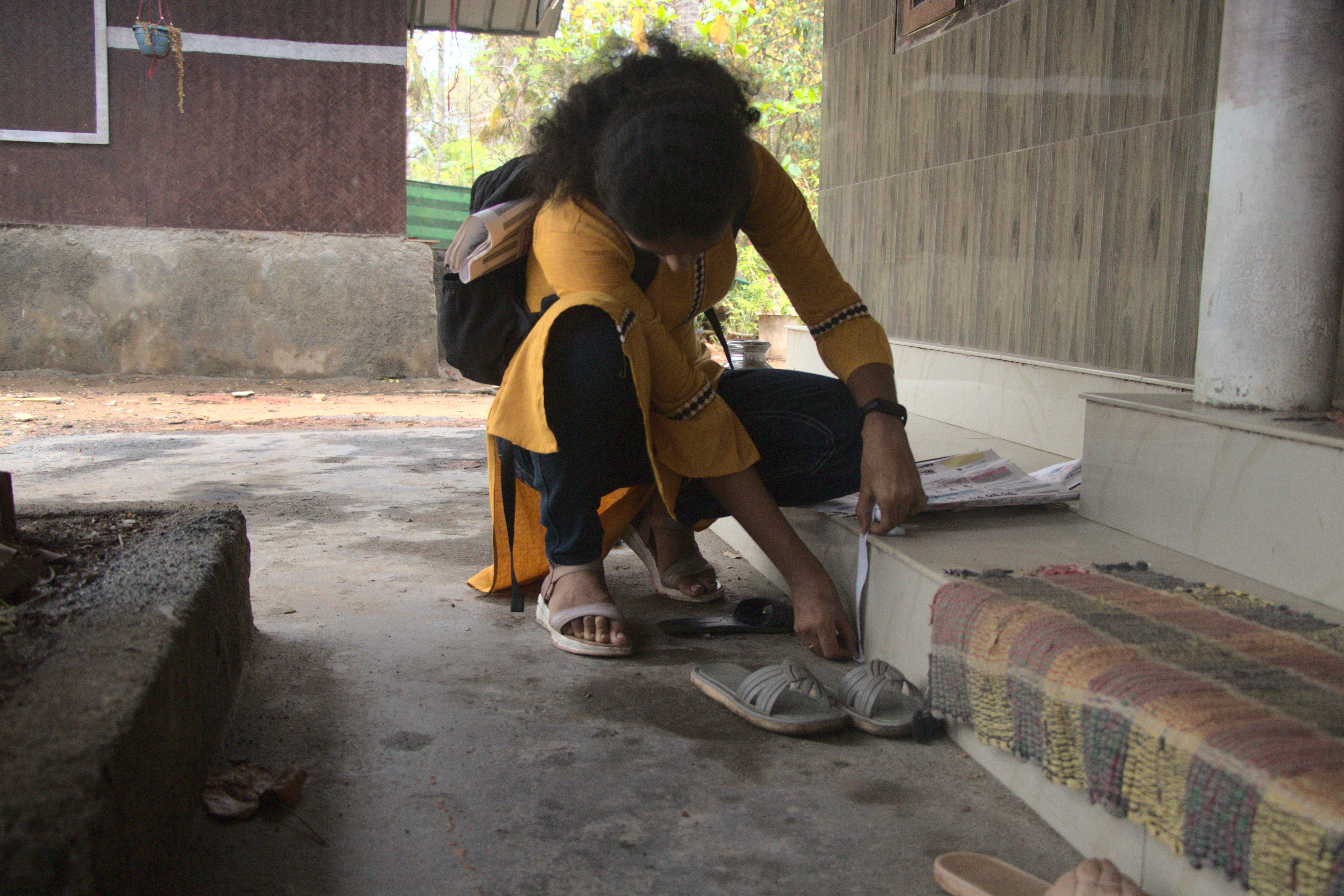
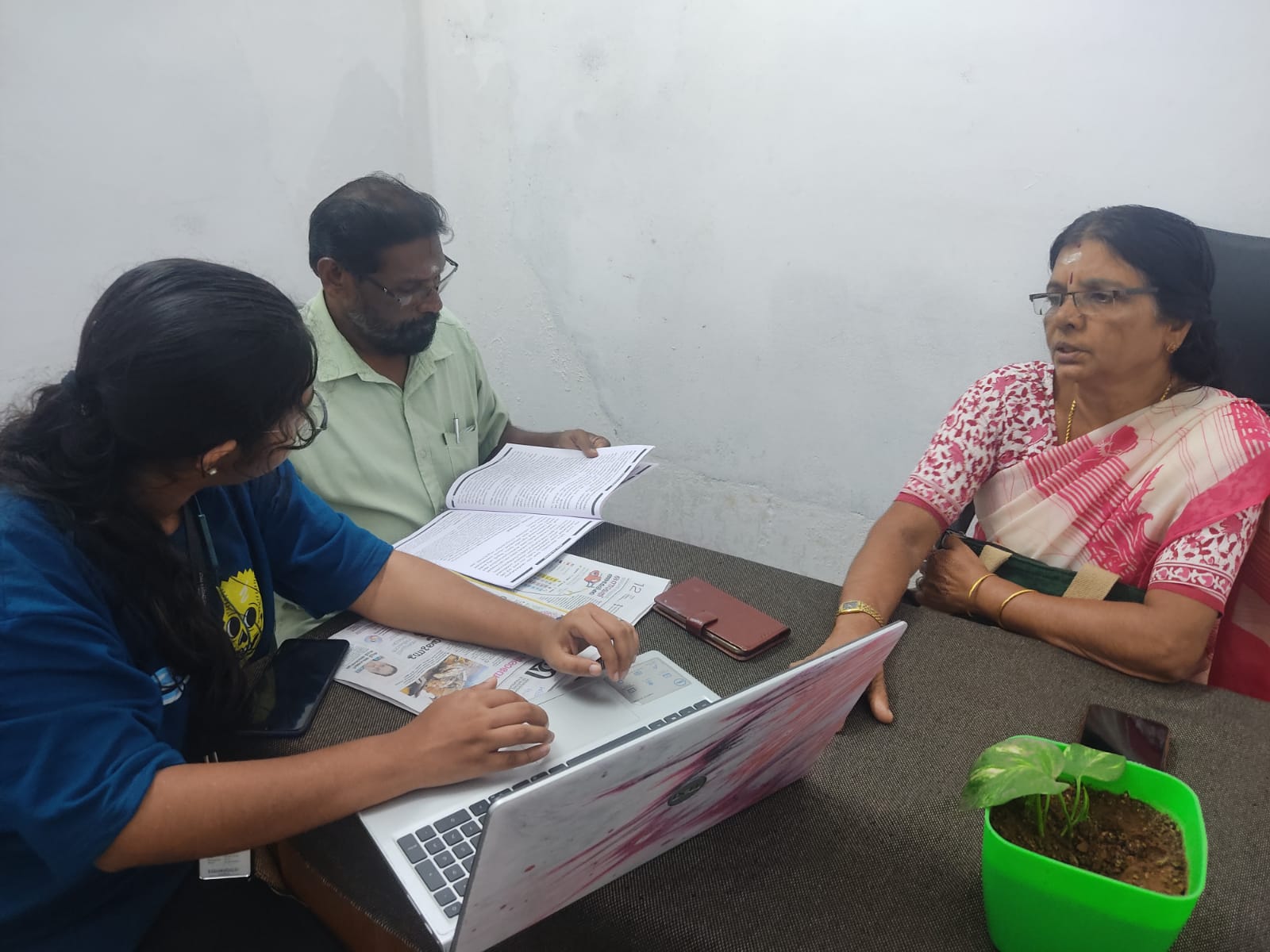
The second component is the Tidal Calendar Network, implemented in 2022–23 under the AEIF project. Around 10,000 participants from 16 coastal panchayats recorded the dates, times, and intensities of tidal floods on distributed calendars. The effort was supported by an extensive local network of Kudumbashree units, ASHA and Anganwadi workers, elected ward members, and student volunteers.
Data from both networks enabled the creation of a fine-resolution tidal flood map for coastal Ernakulam, producing the first cross-sectional, community-sourced dataset on tidal flooding in the region. Building on this foundation, the next phase of SeaSight aims to establish a long-term citizen observatory, engaging select participants from both networks to generate time-series data on tidal flooding patterns and impacts.
Details
The SeaSight Network comprises two participatory initiatives designed to generate hyper-local data on climate-aggravated high-tide flooding in coastal Ernakulam. It was conceptualised and implemented with the support of CRC Puthenvelikkara.
The first is the Manual Tidal Gauge Network, launched in 2021–22 in Vellottupuram, Puthenvelikkara. Seventeen households installed improvised tidal gauges made from tailor’s tape fixed to wooden posts to record tidal rise, duration, and height during the flooding season. This data was compared with readings from the Wellington Island tidal gauge to develop an early warning forecast specific to the Vellottupuram region.
The second component is the Tidal Calendar Network, implemented in 2022–23 under the AEIF project. Around 10,000 participants from 16 coastal panchayats recorded the dates, times, and intensities of tidal floods on distributed calendars. The effort was supported by an extensive local network of Kudumbashree units, ASHA and Anganwadi workers, elected ward members, and student volunteers.
Data from both networks enabled the creation of a fine-resolution tidal flood map for coastal Ernakulam, producing the first cross-sectional, community-sourced dataset on tidal flooding in the region. Building on this foundation, the next phase of SeaSight aims to establish a long-term citizen observatory, engaging select participants from both networks to generate time-series data on tidal flooding patterns and impacts.
Details
The SeaSight Network comprises two participatory initiatives designed to generate hyper-local data on climate-aggravated high-tide flooding in coastal Ernakulam. It was conceptualised and implemented with the support of CRC Puthenvelikkara.
The first is the Manual Tidal Gauge Network, launched in 2021–22 in Vellottupuram, Puthenvelikkara. Seventeen households installed improvised tidal gauges made from tailor’s tape fixed to wooden posts to record tidal rise, duration, and height during the flooding season. This data was compared with readings from the Wellington Island tidal gauge to develop an early warning forecast specific to the Vellottupuram region.
The second component is the Tidal Calendar Network, implemented in 2022–23 under the AEIF project. Around 10,000 participants from 16 coastal panchayats recorded the dates, times, and intensities of tidal floods on distributed calendars. The effort was supported by an extensive local network of Kudumbashree units, ASHA and Anganwadi workers, elected ward members, and student volunteers.
Data from both networks enabled the creation of a fine-resolution tidal flood map for coastal Ernakulam, producing the first cross-sectional, community-sourced dataset on tidal flooding in the region. Building on this foundation, the next phase of SeaSight aims to establish a long-term citizen observatory, engaging select participants from both networks to generate time-series data on tidal flooding patterns and impacts.
10,000
calendars distributed
17
Manual Tidal Gauges Affixed
15+
Panchyaths part of the network
3000+
Data Entries
10,000
calendars distributed
17
Manual Tidal Gauges Affixed
15+
Panchyaths part of the network
3000+
Data Entries
10,000
calendars distributed
17
Manual Tidal Gauges Affixed
15+
Panchyaths part of the network
3000+
Data Entries
14
Workshops at district level
~2,000
Participants engaged
20
Departments
~100
Participants from multiple departments and ministries during report launch
10,000
calendars distributed
17
Manual Tidal Gauges Affixed
15+
Panchyaths part of the network
3000+
Data Entries