Associated Women Enterprises
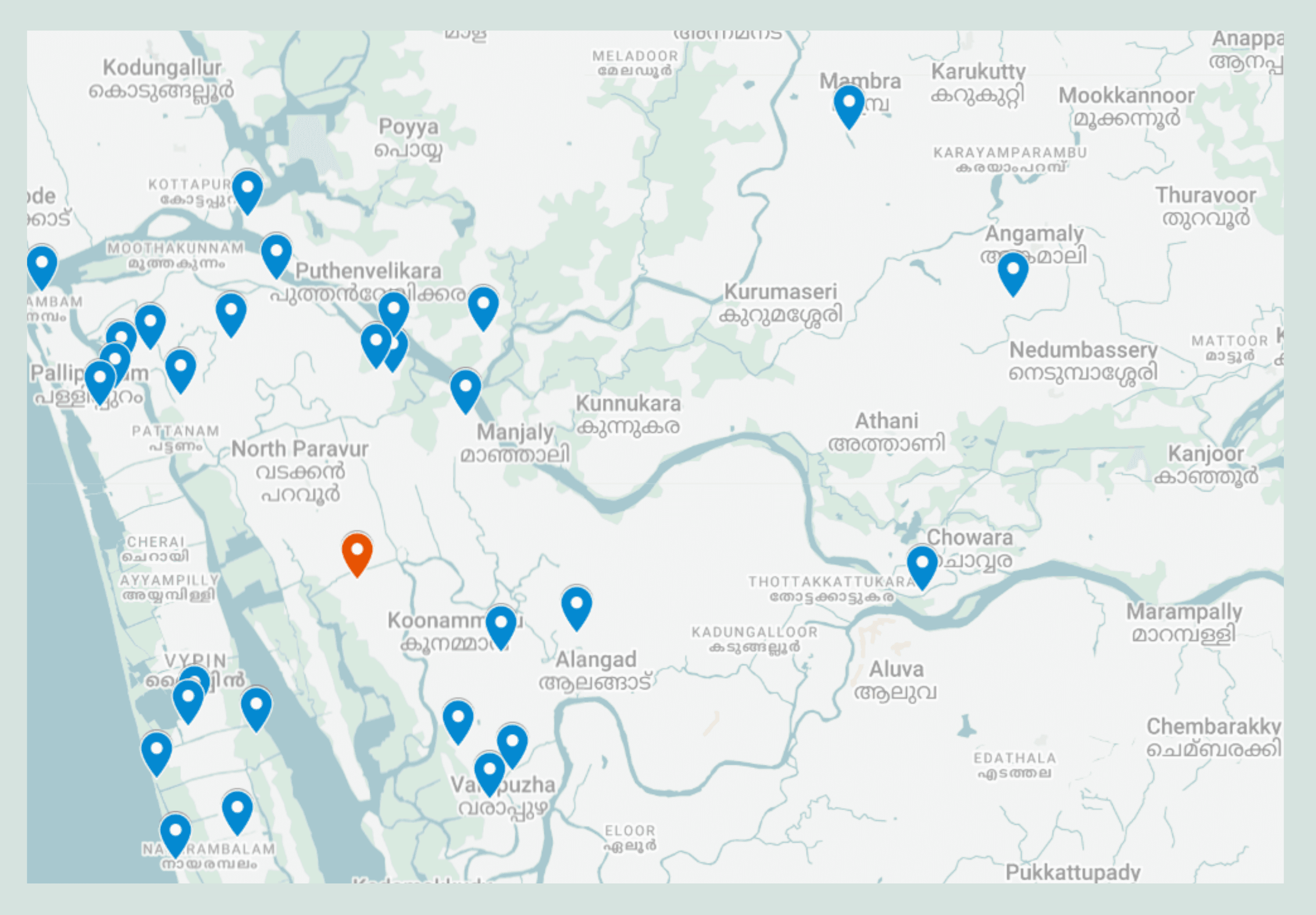
The CRE Hub supports 20 women-led coastal enterprises in Ernakulam, fostering dignified, climate-resilient livelihoods through clean energy infrastructure, local production, and community-driven circular economic practices.
Units
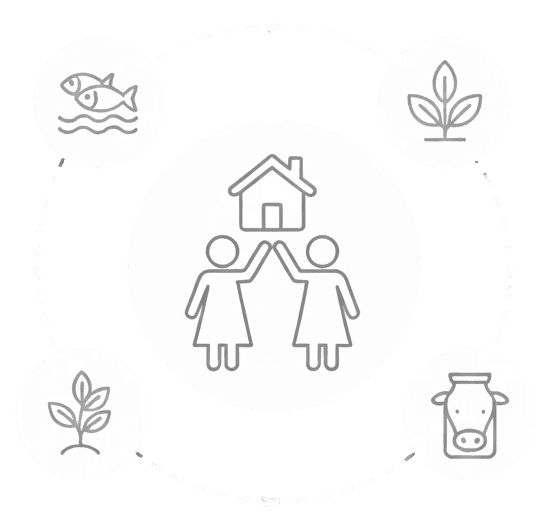
Each enterprise operates with access to solar-powered processing tools, electric mobility solutions, and dedicated training in production, finance, and digital marketing. The enterprise clusters include:
Marine-Based Units
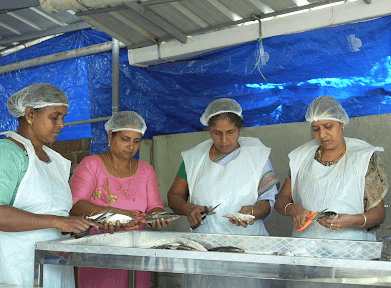
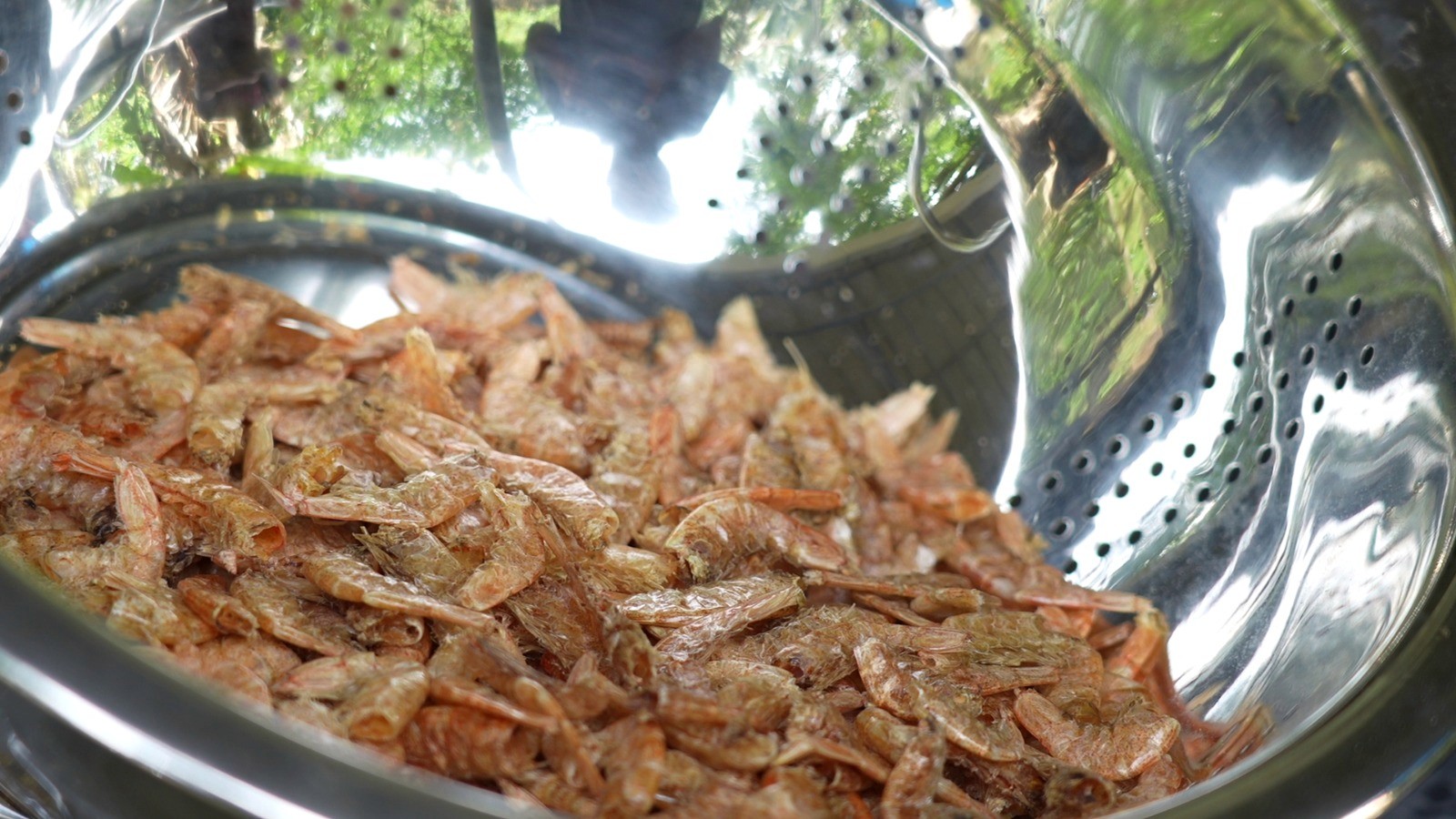
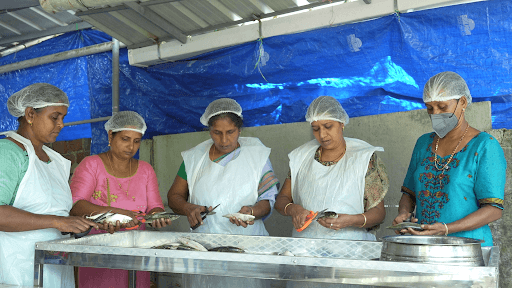
These enterprises focus on value addition to locally sourced marine produce such as fish, shrimp, and mussels. Products include solar-dried fish, fish pickles, and ready-to-cook seafood, processed using energy-efficient dryers and cold storage systems. By replacing firewood- and diesel-based processing with solar-powered alternatives, the units reduce emissions, enhance food safety, and improve the income and working conditions of women in traditional fishing communities. Raw materials are sourced through equitable partnerships with local fishers, supporting circular, community-rooted supply chains.
Agro & Allied Units
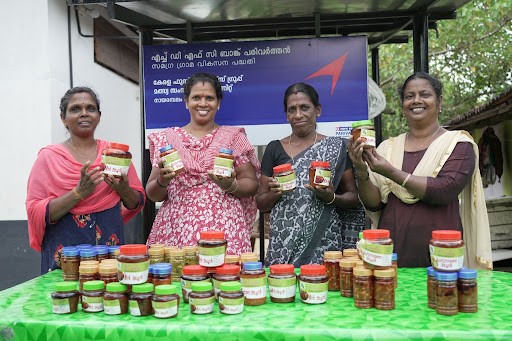
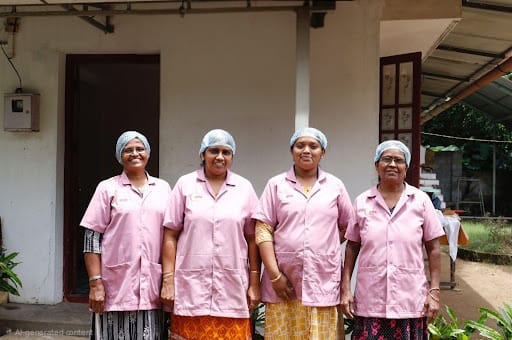
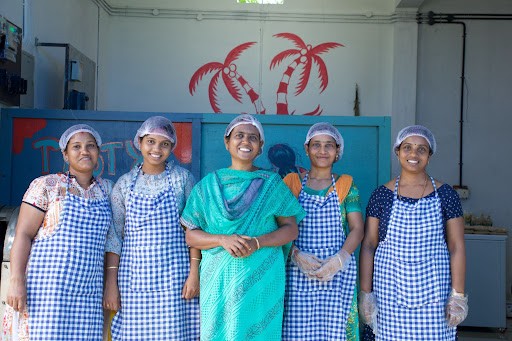
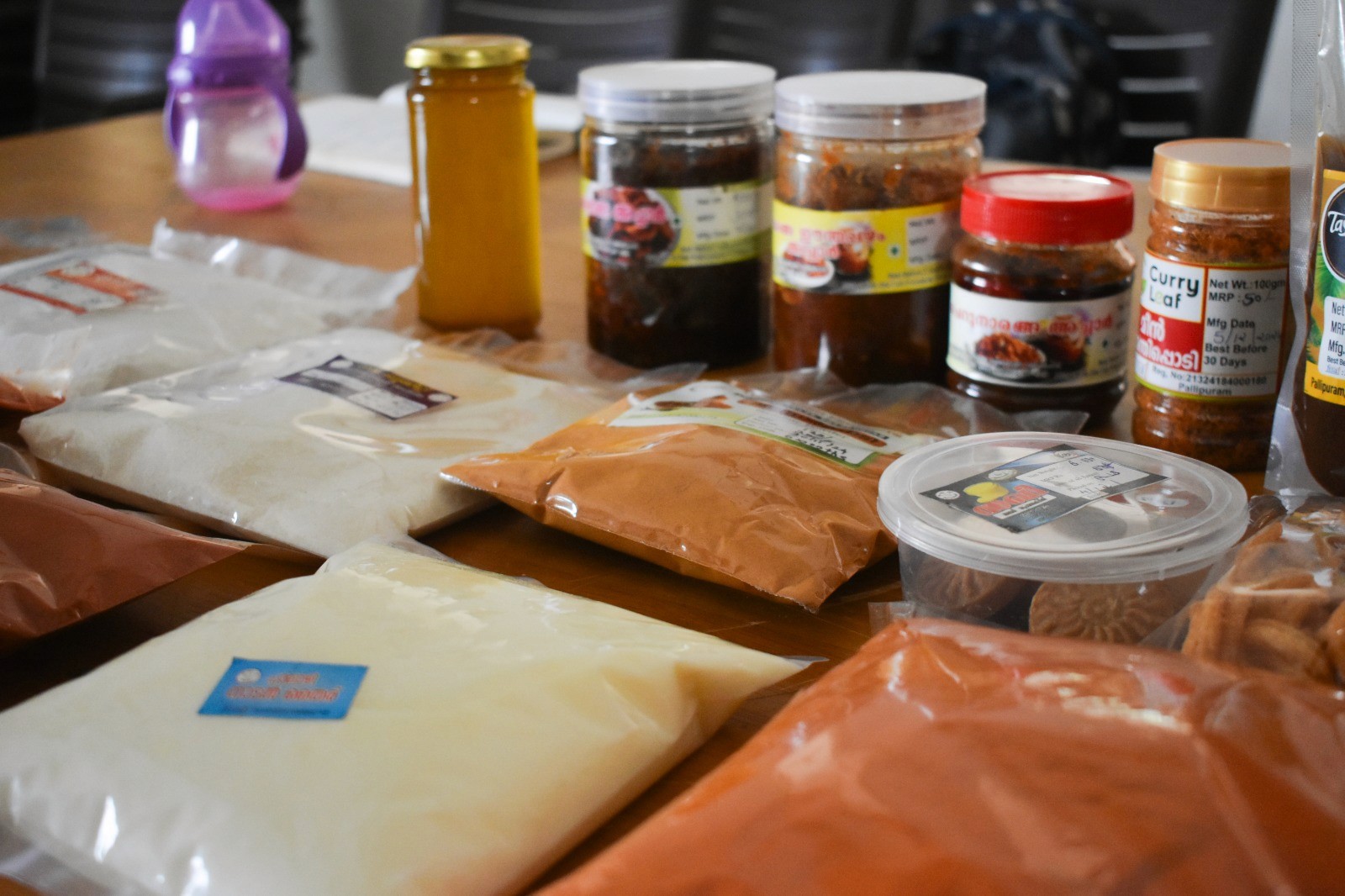
This diverse cluster brings together food processing, catering, and fodder production. Women-led units transform locally grown fruits, vegetables, and Pokkali rice into pickles, preserves, and snacks using solar-powered dryers and hygienic preparation spaces. The catering arm delivers nutritious, locally sourced meals to schools and community events using electric delivery vehicles. A dedicated fodder unit uses agricultural by-products to create climate-resilient cattle feed, supporting livestock keepers and promoting circular farm economies. These enterprises enhance food security, reduce post-harvest losses, and open new markets for women entrepreneurs.
Dairy Units
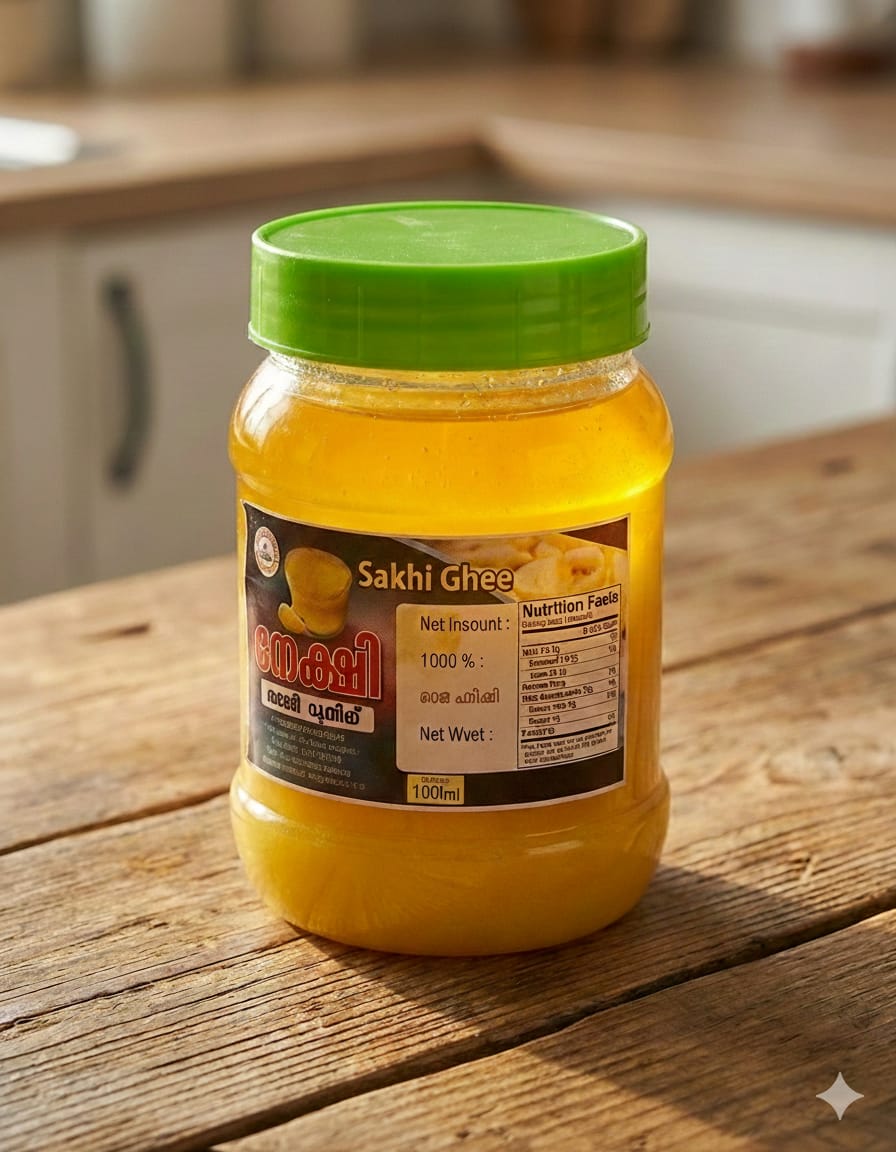
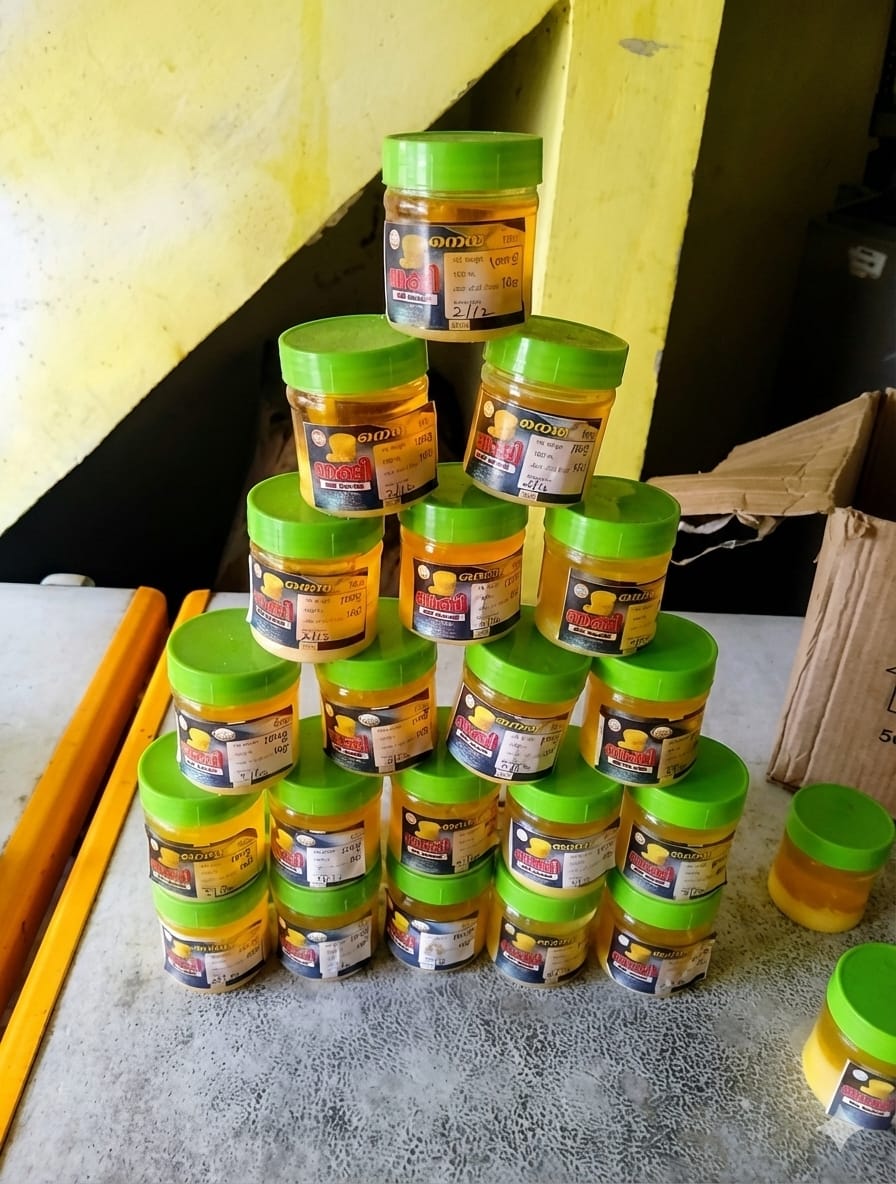
Dairy units produce curd, ghee, and flavored milk products, managed by women from livestock-rearing households. Solar-powered refrigeration and biodegradable packaging ensure product freshness and environmental responsibility. Closely integrated with the fodder unit, these enterprises form a closed-loop system that supports both production and sustainability. The units also introduce climate-smart practices in dairy hygiene, marketing, and digital inventory management, empowering women to lead in a traditionally male-dominated sector.