
Our Works

Textile Reinforced Concrete

A Sustainable Solution for Resilient Coastal Construction

A Sustainable Solution for Resilient Coastal Construction

Our Works

A lightweight, corrosion-resistant building material using glass textiles, TRC offers durable, sustainable protection for coastal homes and infrastructure facing saltwater exposure and climate-driven flooding.
Overview

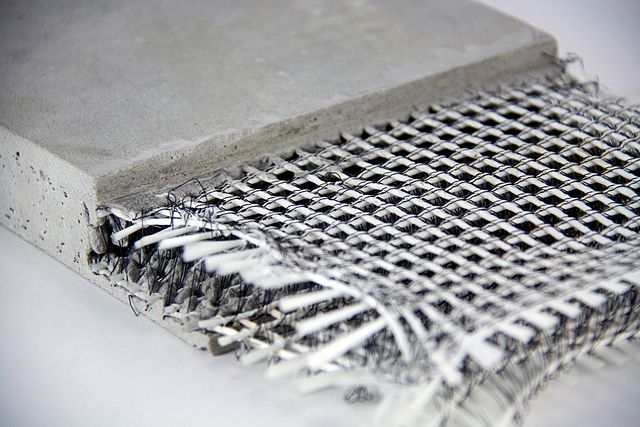
Textile Reinforced Concrete (TRC) is a new-generation, sustainable building material that combines a cementitious binder with non-metallic glass textiles instead of steel. This innovative composition makes TRC resistant to corrosion caused by saltwater and harsh coastal conditions. Lightweight, durable, and resource-efficient, TRC is designed to protect homes and infrastructure while supporting community-driven resilience efforts.

Problem & Solution

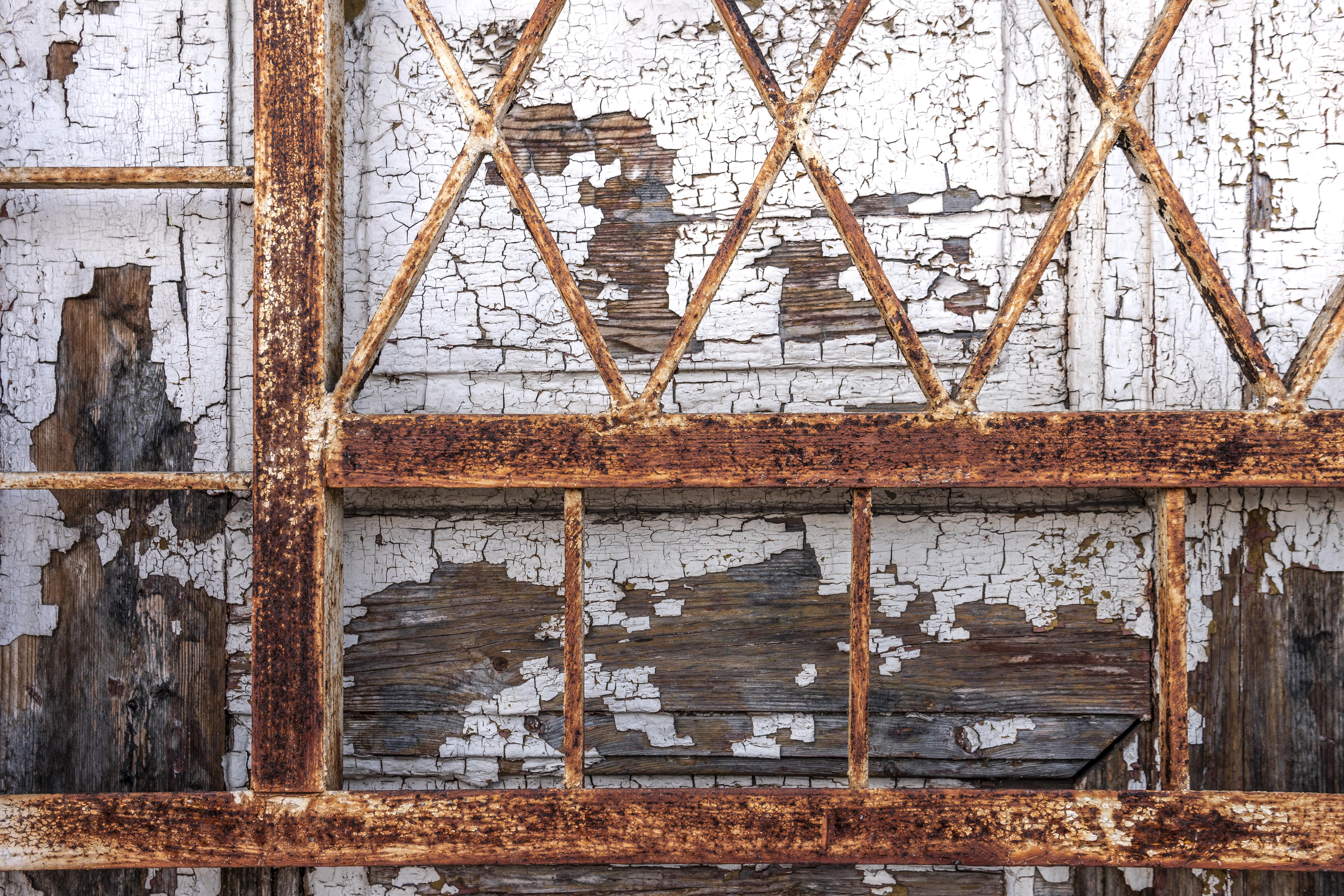
Coastal regions are increasingly vulnerable to rising seas and tidal flooding. Saltwater intrusion damages homes, roads, and public infrastructure, causing high repair costs and displacing families. Conventional cement and steel structures cannot withstand prolonged exposure to saline conditions.

TRC addresses this urgent need by offering a corrosion-free, low-carbon alternative that extends the life of buildings. It reduces maintenance costs, protects vulnerable communities, and provides a sustainable solution for climate adaptation.

What?

What?

What?

What?

What?

What?

TRC is made of fine concrete reinforced with glass or carbon textiles, eliminating the need for steel.

TRC is made of fine concrete reinforced with glass or carbon textiles, eliminating the need for steel.

TRC is made of fine concrete reinforced with glass or carbon textiles, eliminating the need for steel.

TRC is made of fine concrete reinforced with glass or carbon textiles, eliminating the need for steel.

TRC is made of fine concrete reinforced with glass or carbon textiles, eliminating the need for steel.

How?

How?

How?

How?

How?

How?

The textile reinforcement provides strength and flexibility while the concrete forms a durable, protective shell.

The textile reinforcement provides strength and flexibility while the concrete forms a durable, protective shell.

The textile reinforcement provides strength and flexibility while the concrete forms a durable, protective shell.

The textile reinforcement provides strength and flexibility while the concrete forms a durable, protective shell.

The textile reinforcement provides strength and flexibility while the concrete forms a durable, protective shell.

Why?

Why?

Why?

Why?

Why?

Why?

Compared to traditional concrete, TRC reduces cement use by up to 55 percent, lowers the weight of structures by up to 85 percent, and cuts material costs by up to 50 percent.

Compared to traditional concrete, TRC reduces cement use by up to 55 percent, lowers the weight of structures by up to 85 percent, and cuts material costs by up to 50 percent.

Compared to traditional concrete, TRC reduces cement use by up to 55 percent, lowers the weight of structures by up to 85 percent, and cuts material costs by up to 50 percent.

Compared to traditional concrete, TRC reduces cement use by up to 55 percent, lowers the weight of structures by up to 85 percent, and cuts material costs by up to 50 percent.

Compared to traditional concrete, TRC reduces cement use by up to 55 percent, lowers the weight of structures by up to 85 percent, and cuts material costs by up to 50 percent.

~50%

Faster prefabrication time

~50%

Faster prefabrication time

~50%

Faster prefabrication time

~50%

Faster prefabrication time

~50%

Faster prefabrication time

~50%

Saving on material costs

~50%

Saving on material costs

~50%

Saving on material costs

~50%

Saving on material costs

~50%

Saving on material costs

~70%

Less reinforcement weight

~70%

Less reinforcement weight

~70%

Less reinforcement weight

~70%

Less reinforcement weight

~70%

Less reinforcement weight

30%

Reduction in labor effort

30%

Reduction in labor effort

30%

Reduction in labor effort

30%

Reduction in labor effort

30%

Reduction in labor effort

Collaboration

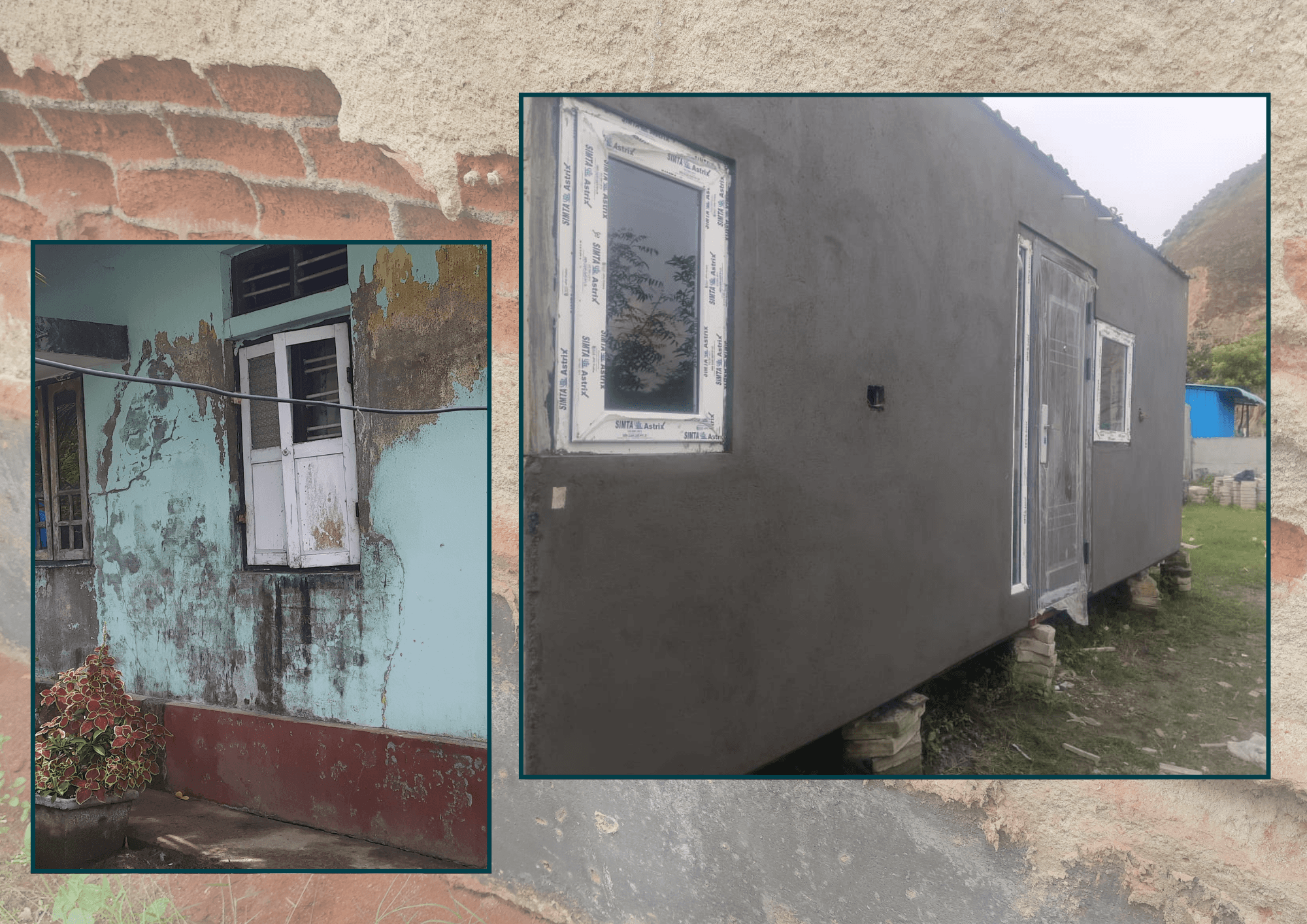
The TRC initiative is driven by EQUINOCT in partnership with CSIR-SERC (Central Scientific and Industrial Research – Structural Engineering Research Centre). Together they are piloting TRC deployment in the coastal villages of Kerala. The project trains local residents to manufacture and install TRC components, turning a cutting-edge material into a community-based enterprise.
Impact

TRC delivers benefits on multiple fronts. Homes and public structures built or repaired with TRC last longer in harsh coastal environments, reducing the need for costly rebuilding. Community members gain new skills and livelihoods through training and localized production. Environmentally, TRC uses fewer raw materials and less energy, making it a climate-friendly alternative to conventional building methods.

© EQUINOCT CoSMoS. 2025