Our Works
Urban Mobility Initiative (UMI)
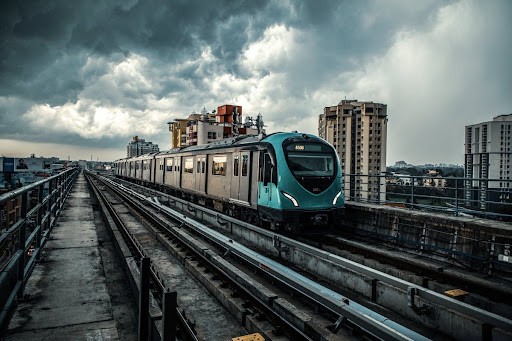
First and last mile (FLM) connectivity
of the Kochi Metro
Our Works
UMI supports a just, sustainable e-mobility transition in Kochi by improving first- and last-mile metro connectivity through user insights, stakeholder collaboration, and the exploration of electric autorickshaws.
Project Overview
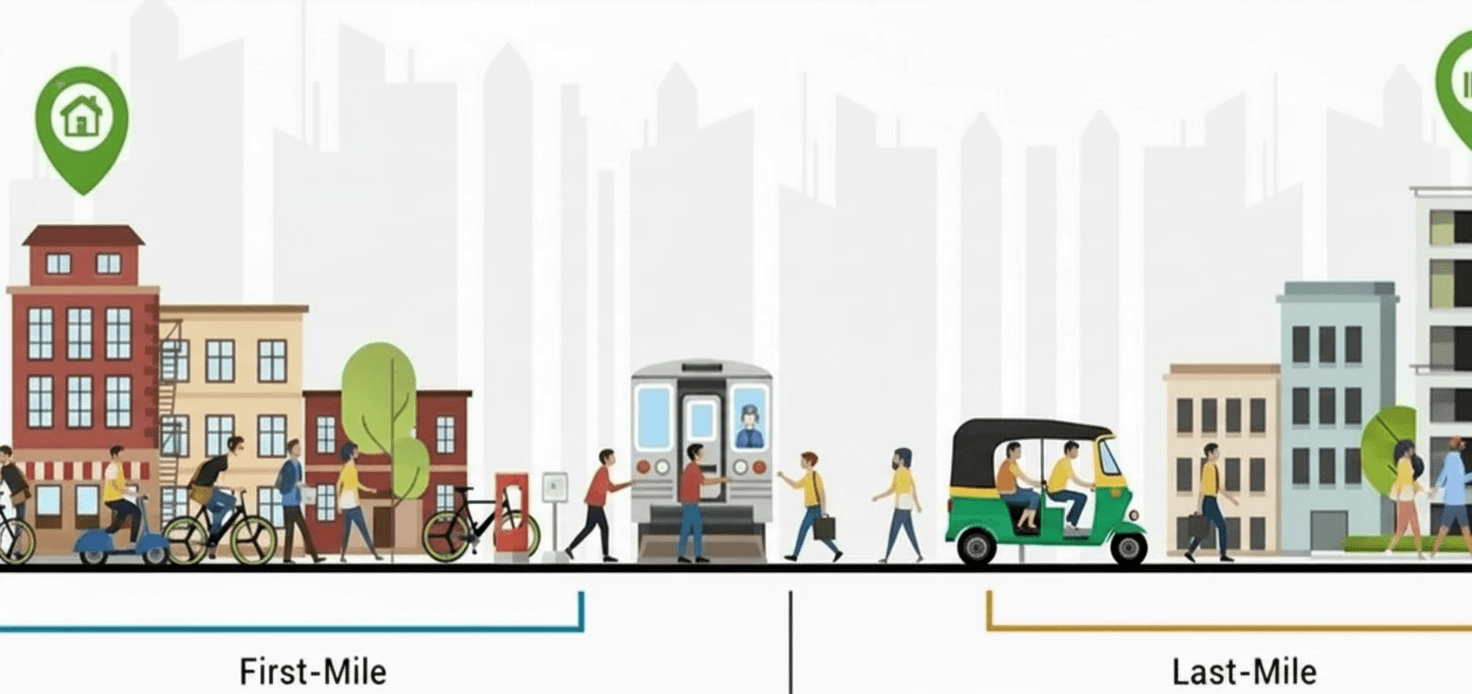
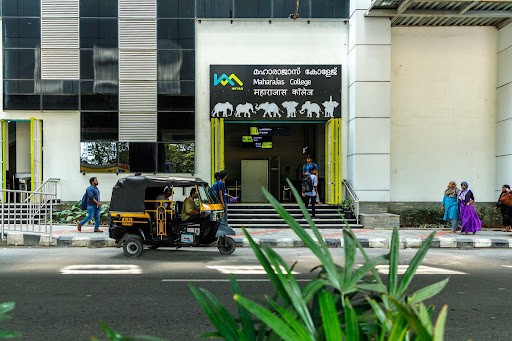
Urban Mobility Integration (UMI) is EQUINOCT’s initiative to support a just and sustainable e-mobility transition in Kochi by strengthening the first and last mile (FLM) connectivity of the Kochi Metro. The project brings together insights from metro users, autorickshaw drivers, and public transport stakeholders to improve commuter experience and promote clean, integrated mobility systems. By assessing commute behavior and exploring the feasibility of electric autorickshaws (e-autos), UMI bridges commuter needs with climate goals.
Project Overview
Urban Mobility Integration (UMI) is EQUINOCT’s initiative to support a just and sustainable e-mobility transition in Kochi by strengthening the first and last mile (FLM) connectivity of the Kochi Metro. The project brings together insights from metro users, autorickshaw drivers, and public transport stakeholders to improve commuter experience and promote clean, integrated mobility systems. By assessing commute behavior and exploring the feasibility of electric autorickshaws (e-autos), UMI bridges commuter needs with climate goals.
Impact
Through a detailed mixed-method study, Project UMI:
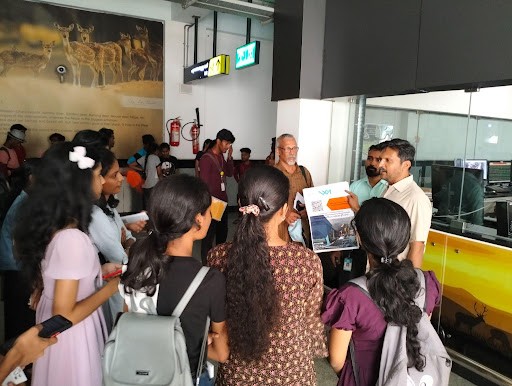
Surveyed 660 metro passengers across all 24 Kochi Metro stations (10 AM–4 PM) to understand travel patterns, connectivity, and satisfaction levels.
Surveyed 660 metro passengers across all 24 Kochi Metro stations (10 AM–4 PM) to understand travel patterns, connectivity, and satisfaction levels.
Collected data on commute distances, waiting times, preferred transport modes, and passenger perceptions of adequacy for both first and last mile travel.
Collected data on commute distances, waiting times, preferred transport modes, and passenger perceptions of adequacy for both first and last mile travel.
Conducted a focused survey of 100 autorickshaw drivers at key metro auto stands to evaluate socio-economic conditions, vehicle ownership patterns, and openness to transitioning to e-autos.
Conducted a focused survey of 100 autorickshaw drivers at key metro auto stands to evaluate socio-economic conditions, vehicle ownership patterns, and openness to transitioning to e-autos.
Mapped connectivity gaps, identified barriers to e-auto adoption (such as high upfront costs, limited charging infrastructure, and policy hurdles), and developed targeted recommendations for seamless multimodal mobility.
Mapped connectivity gaps, identified barriers to e-auto adoption (such as high upfront costs, limited charging infrastructure, and policy hurdles), and developed targeted recommendations for seamless multimodal mobility.
Impact
Through a detailed mixed-method study, Project UMI:
Surveyed 660 metro passengers across all 24 Kochi Metro stations (10 AM–4 PM) to understand travel patterns, connectivity, and satisfaction levels.
Collected data on commute distances, waiting times, preferred transport modes, and passenger perceptions of adequacy for both first and last mile travel.
Conducted a focused survey of 100 autorickshaw drivers at key metro auto stands to evaluate socio-economic conditions, vehicle ownership patterns, and openness to transitioning to e-autos.
Mapped connectivity gaps, identified barriers to e-auto adoption (such as high upfront costs, limited charging infrastructure, and policy hurdles), and developed targeted recommendations for seamless multimodal mobility.
Key Themes Explored :
The real commuter experience in Kochi’s metro network.
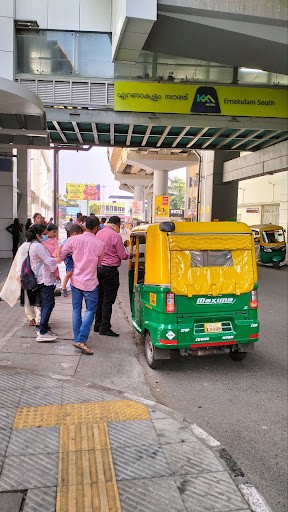
The role of autos in bridging metro stations with neighborhoods
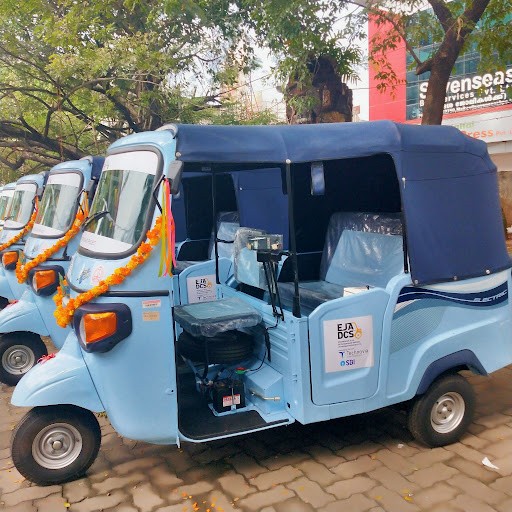
The feasibility and impact of transitioning to e-autos for FLM connectivity.
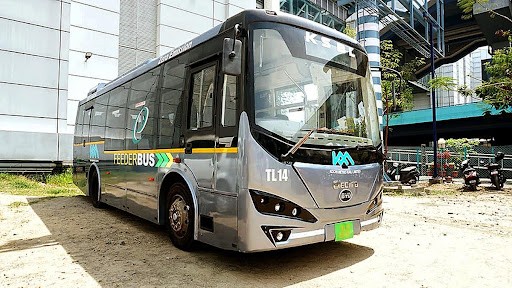
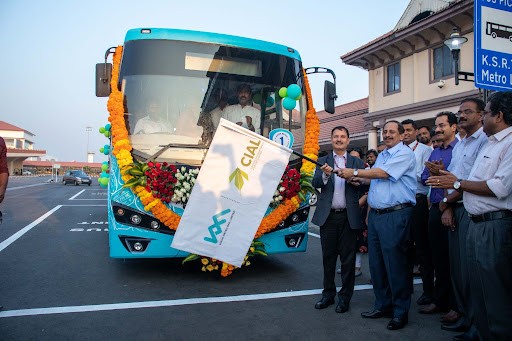
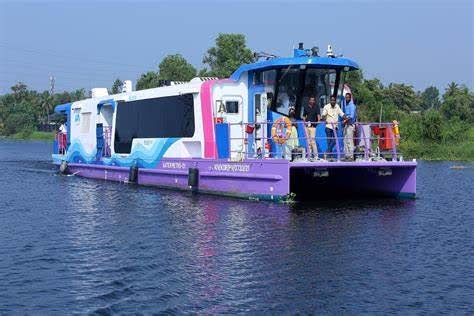
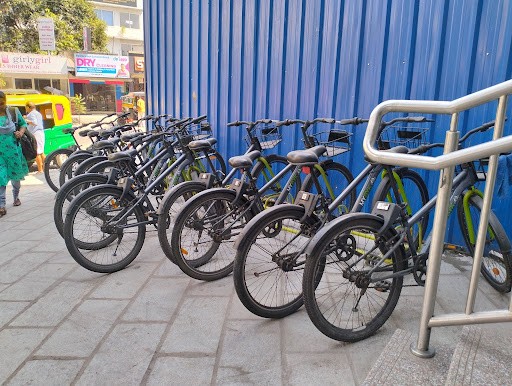
Recommendations for integrated services: shared autos, circular feeder buses, smart ticketing, better-aligned bus bays/auto stands, and station infrastructure upgrades.
Key Themes Explored :
The real commuter experience in Kochi’s metro network.
The role of autos in bridging metro stations with neighborhoods
The feasibility and impact of transitioning to e-autos for FLM connectivity.
Recommendations for integrated services: shared autos, circular feeder buses, smart ticketing, better-aligned bus bays/auto stands, and station infrastructure upgrades.
660
Metro commuters
100
Auto drivers surveyed
56%
Travel 0-3 km for first mile
63%
Last mile destinations are within 0-2 km
660
Metro commuters
100
Auto drivers surveyed
56%
Travel 0-3 km for first mile
63%
Last mile destinations are within 0-2 km